Recommendations
Books Like Robinson Crusoe
Best books to read after Robinson Crusoe by Daniel Defoe
Daniel Defoe's Robinson Crusoe is the founding text of the English novel — Crusoe's twenty-eight years alone on an island, building a life from shipwreck wreckage, is one of literature's most enduring fantasies of solitude and self-sufficiency. These recommendations extend the experience through Defoe's other novels and through fiction about isolation, survival, and the colonial encounter that Robinson Crusoe inaugurated.
- 1
 Buy on Amazon
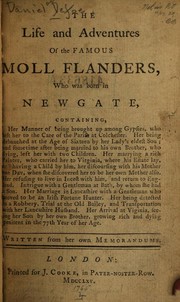
Moll Flanders
by Daniel Defoe
Defoe's 1722 novel about the pragmatic survivor Moll Flanders is the direct companion to Robinson Crusoe — the same documentary realism, the same first-person narrator who assesses their situation with calculating clarity, but the female experience of poverty and survival in England rather than the male experience of isolation on an island.
- 2
 Buy on Amazon
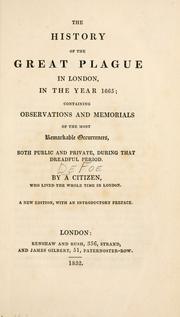
A Journal of the Plague Year
by Daniel Defoe
Defoe's 1722 quasi-documentary account of the 1665 London plague — presented as the memoir of a contemporary eyewitness — is the most ambitious experiment in the documentary realism that Robinson Crusoe established. It is Defoe's most formally sophisticated work and a direct ancestor of the modern documentary novel.
- 3Buy on Amazon
Foe
by J.M. Coetzee
Coetzee's 1986 novel retells Robinson Crusoe from the perspective of a woman named Susan Barton who was on Crusoe's island and whose story was suppressed when Defoe wrote Crusoe's. Friday, given a severed tongue, cannot speak for himself; the novel is about whose story gets told and whose voice is taken. The essential critical response to Crusoe.
- 4
 Buy on Amazon
The Swiss Family Robinson
by Johann David Wyss
Wyss's 1812 family adventure novel about a shipwrecked Swiss family building a life on a tropical island is the direct descendant of Robinson Crusoe in the survival-fantasy tradition — more genial and more domestic, but organized around the same pleasures of practical ingenuity and resourcefulness.
- 5
 Buy on Amazon
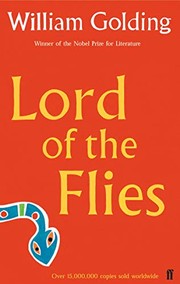
Lord of the Flies
by William Golding
Golding's 1954 novel, which strands British schoolboys on an island and watches civilization collapse, is the twentieth-century reversal of Robinson Crusoe's optimism about human resourcefulness — where Crusoe builds civilization from wreckage, Golding's boys destroy civilization despite having nothing to impede them.
- 6
 Buy on Amazon
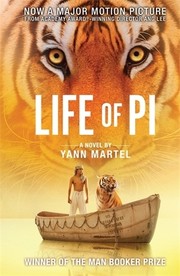
The Life of Pi
by Yann Martel
Martel's 2001 novel about a boy adrift in the Pacific Ocean on a lifeboat with a Bengal tiger is the twenty-first century's most direct engagement with the Robinson Crusoe survival tradition — the same documentary realism, the same animal companion, the same question of how a person makes meaning in radical isolation.
- 7Buy on Amazon
Cast Away
by William Broyles Jr.
The 2000 film, while not a novel, is the most widely seen contemporary engagement with the Robinson Crusoe template — the middle-class American stranded on an island, building shelter and companionship (with a volleyball) from available materials. Its relationship to Crusoe is as direct as any literary adaptation.
- 8
 Buy on Amazon
The Martian
by Andy Weir
Weir's 2011 novel about an astronaut stranded alone on Mars who survives by applying his knowledge to available materials is the science fiction Robinson Crusoe — the same documentary precision about how survival works, the same pleasure in watching a competent person solve problems with limited resources.
More Robinson Crusoe Resources
More Reading Recommendations
View all →Monthly Newsletter
Never miss a big release
Get the most anticipated upcoming books delivered to your inbox once a month — no spam, no filler.
Monthly only. Unsubscribe anytime.
Book links are Amazon affiliate links. As an Amazon Associate, BookReleaseRadar earns from qualifying purchases at no extra cost to you.