Recommendations
Books Like No-No Boy
Best books to read after No-No Boy by John Okada
If No-No Boy moved you — Ichiro's return to Seattle unable to fit anywhere, the community's division between those who served and those who refused, the portrait of Japanese-American identity shattered by war and internment and put back together from broken pieces — these eight books share its portrait of Asian-American identity under racial pressure, its engagement with internment and loyalty, or its investigation of what men carry home from war.
- 1
 Buy on Amazon
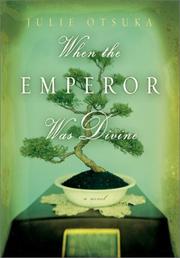
When the Emperor Was Divine
by Julie Otsuka
A Japanese-American family through internment and its aftermath — Otsuka's debut is the most direct companion to No-No Boy: the same Japanese-American internment during the Second World War, the same portrait of a community trying to rebuild after the war, and the same engagement with what the internment did to the family from the inside; where Okada focuses on a man who refused to serve and his reintegration into a community that condemns him, Otsuka focuses on a family that complied and was damaged anyway
- 2
 Buy on Amazon
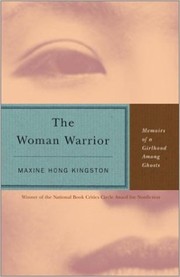
The Woman Warrior
by Maxine Hong Kingston
Kingston's hybrid memoir about growing up Chinese-American — the Asian-American literary companion to No-No Boy: both works center on the question of what it means to be both Asian and American in a country that treats those identities as mutually exclusive, and both are organized around the damage that this impossibility does to individuals and families; Kingston's formal experiment parallels Okada's unflinching realism as two different approaches to the same problem
- 3
 Buy on Amazon
The Things They Carried
by Tim O'Brien
O'Brien's stories about Vietnam — the literary companion to No-No Boy in its portrait of young men who carry the moral weight of their wartime choices for the rest of their lives; where Ichiro refused to serve and lives with the question of whether he was right, O'Brien's characters served and live with the question of whether anything they did can be justified; both works are organized around the impossibility of returning from war to ordinary life
- 4
 Buy on Amazon
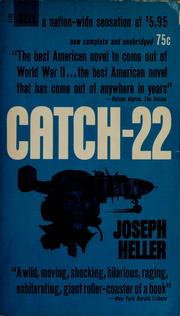
Catch-22
by Joseph Heller
Yossarian trying to get out of bombing missions during the Second World War by convincing the military he is crazy — Heller's satirical novel shares No-No Boy's portrait of a man who refuses to participate in a war machine that claims to be fighting for his own freedom; where Ichiro's refusal is sincere and principled and leads to imprisonment and condemnation, Yossarian's is tactical and comic and leads to elaborate bureaucratic absurdity; recommended for readers who want a different angle on the Second World War refusal
- 5
 Buy on Amazon
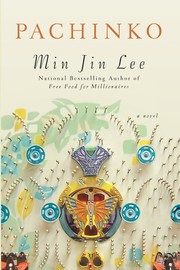
Pachinko
by Min Jin Lee
Four generations of a Korean family in Japan — Lee's novel shares No-No Boy's portrait of an Asian community subjected to a state racism that forces them to either assimilate (and be false to themselves) or resist (and be punished); where Ichiro's dilemma is posed by the loyalty questionnaire — serve or refuse — Lee's characters face the same dilemma across four generations of life in a country that refuses to grant them full belonging
- 6
 Buy on Amazon
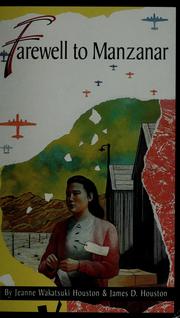
Farewell to Manzanar
by Jeanne Wakatsuki Houston
Jeanne Wakatsuki Houston's memoir about her family's internment at Manzanar — the nonfiction companion to No-No Boy: the same Japanese-American internment experience, the same portrait of a family's disintegration under the pressure of the camp, and the same engagement with what it means to rebuild a life and an identity after the internment ends; where Okada imagines a no-no boy, Houston documents the experience of a family that answered 'yes'
- 7
 Buy on Amazon
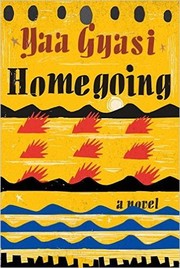
Homegoing
by Yaa Gyasi
Two Ghanaian sisters and their descendants across eight generations — Gyasi's debut shares No-No Boy's engagement with how state racism shapes the identities of people whom the state has defined as Other; where No-No Boy is a portrait of a moment (postwar Seattle) and a crisis (the loyalty questionnaire), Homegoing is a portrait of a history (the Atlantic slave trade and its aftermath) and asks the same question across generations: what do you do with an identity that has been assigned to you by people who meant it to diminish you
- 8
 Buy on Amazon
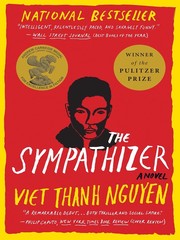
The Sympathizer
by Viet Thanh Nguyen
An unnamed communist spy in the South Vietnamese army who ends up in a California refugee camp — Nguyen's Pulitzer Prize winner shares No-No Boy's portrait of a man caught between two loyalties that the world insists are mutually exclusive; where Ichiro is forced to choose between being American and being Japanese, Nguyen's narrator is forced to choose between being communist and being Vietnamese émigré; both novels are organized around a man's inability to fit into any category cleanly
More No-No Boy Resources
More Reading Recommendations
View all →Monthly Newsletter
Never miss a big release
Get the most anticipated upcoming books delivered to your inbox once a month — no spam, no filler.
Monthly only. Unsubscribe anytime.
Book links are Amazon affiliate links. As an Amazon Associate, BookReleaseRadar earns from qualifying purchases at no extra cost to you.