Recommendations
Books Like Bleak House
Best books to read after Bleak House by Charles Dickens
Bleak House is Dickens at his most ambitious — a lawsuit at the center of a novel, radiating outward to encompass an entire social world, from the aristocracy to the slums. If Dickens's panoramic social vision and his moral outrage moved you, these books share his indignation at institutional injustice and his gift for making a cast of dozens feel like a complete world.
- 1
 Buy on Amazon
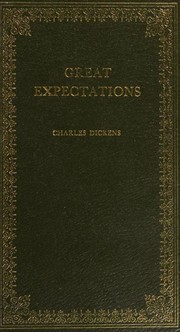
Great Expectations
by Charles Dickens
Dickens's most perfectly structured novel — the orphan Pip, his mysterious patron, and Miss Havisham; typically recommended as the first Dickens novel to read and the most psychologically sophisticated; where Bleak House is panoramic, Great Expectations is intimate, but both are organized around the question of what happens when the institutions meant to protect people become the instruments of their destruction
- 2
 Buy on Amazon
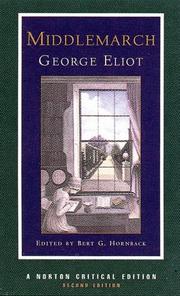
Middlemarch
by George Eliot
Eliot's masterpiece about a provincial English town in the era of Reform is the most serious formal and moral competitor to Bleak House in the Victorian novel; where Dickens's social criticism is panoramic and satirical, Eliot's is intimate and sympathetic, but both are attempting a complete portrait of English society through the intersection of many stories and social levels; Virginia Woolf called Middlemarch 'one of the few English novels written for grown-up people'
- 3
 Buy on Amazon
Our Mutual Friend
by Charles Dickens
Dickens's last completed novel — a satire of Victorian money-worship organized around the inheritance of a dust-heap fortune; darker and more experimental than even Bleak House, and the Dickens novel that Henry James saw as the beginning of modern English fiction; essential for readers who want more of Bleak House's social complexity and moral darkness
- 4
 Buy on Amazon
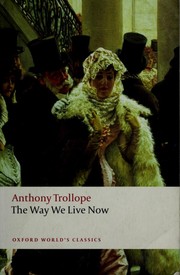
The Way We Live Now
by Anthony Trollope
Trollope's satire of financial speculation and social corruption in 1870s England is the Trollope novel that most directly parallels Bleak House in its ambition — organized around the fraudulent financier Augustus Melmotte, whose rise and fall exposes the moral bankruptcy of every level of English society; the most Dickensian of Trollope's novels and a masterpiece of Victorian social satire in its own right
- 5
 Buy on Amazon
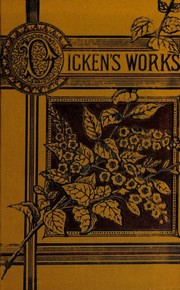
Little Dorrit
by Charles Dickens
Dickens's novel about the Marshalsea debtors' prison — his most explicitly political novel after Bleak House, attacking government bureaucracy (the Circumlocution Office, Dickens's most sustained satire of institutional inefficiency) and the social world of finance speculation; more melancholic in tone than Bleak House and containing some of Dickens's finest character writing
- 6
 Buy on Amazon
Les Misérables
by Victor Hugo
Hugo's French counterpart to the Dickens social novel tradition — a massive social novel arguing that poverty, injustice, and the law as it exists create the misery they claim to address; the most direct European parallel to Bleak House in its ambition to use the novel to make a moral argument about what society owes to the poor, and in its combination of melodramatic plotting with sustained social criticism
- 7
 Buy on Amazon
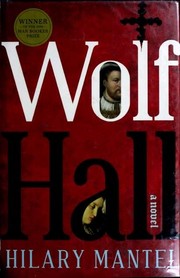
Wolf Hall
by Hilary Mantel
Mantel's novel about Thomas Cromwell in the court of Henry VIII is widely considered the finest contemporary British historical fiction and the work that most recalls Bleak House in its interest in how power and law work — how institutions function, who they serve, and what happens to individuals who are used up by them; the close-third-person interiority of Wolf Hall echoes Esther Summerson's first-person intimacy
- 8
 Buy on Amazon
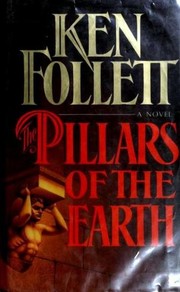
The Pillars of the Earth
by Ken Follett
Follett's multigenerational saga about the building of a medieval cathedral is the most obviously Dickensian contemporary historical novel in its large intersecting cast, its combination of social critique with melodramatic storytelling, and its conviction that institutional power — whether the Church, the Crown, or Chancery — can be resisted by individuals of sufficient persistence and moral courage
More Bleak House Resources
More Reading Recommendations
View all →Monthly Newsletter
Never miss a big release
Get the most anticipated upcoming books delivered to your inbox once a month — no spam, no filler.
Monthly only. Unsubscribe anytime.
Book links are Amazon affiliate links. As an Amazon Associate, BookReleaseRadar earns from qualifying purchases at no extra cost to you.