Recommendations
Books Like When the Emperor Was Divine
Best books to read after When the Emperor Was Divine by Julie Otsuka
If When the Emperor Was Divine moved you — the family's internment and the father's broken return, the formal precision of Otsuka's five-section structure, the way the novel holds the internment's damage without sensationalizing it — these eight books share its portrait of families destroyed by state violence, its Asian-American literary tradition, or its formal control.
- 1
 Buy on Amazon
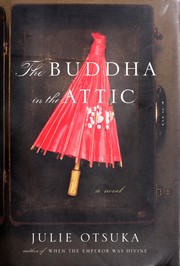
The Buddha in the Attic
by Julie Otsuka
The collective story of Japanese 'picture brides' who came to California in the early twentieth century — Otsuka's second novel, narrated in the first-person plural; the direct companion to When the Emperor Was Divine in its portrait of Japanese women in California building lives in a country that will later intern them; where the novel follows one family through internment, The Buddha in the Attic follows a community through the decades leading up to it
- 2
 Buy on Amazon
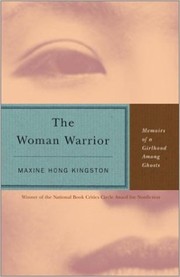
The Woman Warrior
by Maxine Hong Kingston
Kingston's hybrid memoir about growing up Chinese-American in Stockton, California — the foundational Asian-American literary work that When the Emperor Was Divine is in dialogue with: both works are about what happens to Asian-American families when American racial politics assigns them an identity they did not choose, and both center on the specific experience of women and girls in that situation; Kingston's formal experiment with memoir and myth parallels Otsuka's formal experiment with point of view
- 3
 Buy on Amazon
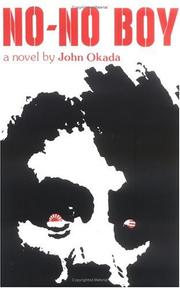
No-No Boy
by John Okada
Ichiro Yamada returning to Seattle after refusing to serve in the US Army and spending time in prison — Okada's 1957 novel is the defining Japanese-American novel of the internment era, written by a veteran and published to initial neglect, later rescued by the Asian-American literary movement of the 1970s; where Otsuka focuses on a family's experience of internment, Okada focuses on the aftermath for a man who refused military service on principle; together they give the fullest portrait of the Japanese-American experience of the Second World War
- 4
 Buy on Amazon
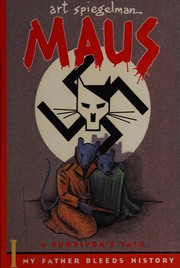
Maus
by Art Spiegelman
Art Spiegelman's father surviving Auschwitz, in graphic novel form — Spiegelman's Pulitzer Prize winner shares When the Emperor Was Divine's formal precision and its engagement with what it is to tell a survivor's story across a generational gap; both works are about children who learn their parents' stories of state violence and must represent those stories in forms that do not falsify them
- 5
 Buy on Amazon
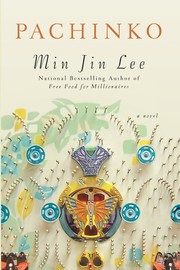
Pachinko
by Min Jin Lee
Four generations of a Korean family living in Japan from 1910 through the 1980s — Lee's novel is the Korean companion to When the Emperor Was Divine's Japanese-American one: the same portrait of an Asian community subjected to state racism in a country that has defined them as Other, the same multi-generational structure that shows how discrimination is transmitted through families, and the same engagement with what ordinary people build from conditions that seem designed to break them
- 6
 Buy on Amazon
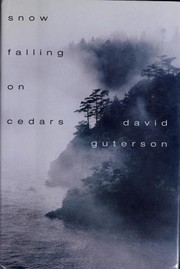
Snow Falling on Cedars
by David Guterson
A murder trial in the San Juan Islands in 1950 that reopens the wounds of Japanese-American internment — Guterson's bestseller is set in the same Pacific Northwest Japanese-American world as When the Emperor Was Divine: the same community, the same history, the same engagement with what the internment did to relationships between Japanese Americans and their white neighbors; told as a courtroom drama that is also a meditation on racial injustice and memory
- 7
 Buy on Amazon
The Remains of the Day
by Kazuo Ishiguro
Stevens the butler looking back on decades of service to a lord who collaborated with the Nazis — Ishiguro's Booker Prize winner shares When the Emperor Was Divine's portrait of what happens to people whose loyalty has been betrayed by the institutions they served; where the Japanese-American family was loyal to the United States and was interned anyway, Stevens was loyal to his employer and his employer was disloyal to the ideals Stevens thought he served; both novels are about the cost of misplaced or betrayed loyalty
- 8
 Buy on Amazon
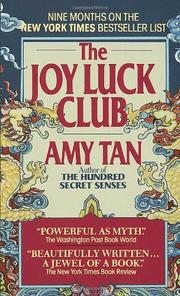
The Joy Luck Club
by Amy Tan
Four Chinese immigrant mothers and their American-born daughters — Tan's debut shares When the Emperor Was Divine's portrait of Asian-American families shaped by both the culture they came from and the American culture they are trying to navigate; where Otsuka's family is shaped by the specific trauma of internment, Tan's families are shaped by the more general experience of immigration and the gap between immigrant parents and American-raised children
More When the Emperor Was Divine Resources
More Reading Recommendations
View all →Monthly Newsletter
Never miss a big release
Get the most anticipated upcoming books delivered to your inbox once a month — no spam, no filler.
Monthly only. Unsubscribe anytime.
Book links are Amazon affiliate links. As an Amazon Associate, BookReleaseRadar earns from qualifying purchases at no extra cost to you.