Recommendations
Books Like Villette
Best books to read after Villette by Charlotte Brontë
Charlotte Brontë's most psychologically intense novel (1853) follows Lucy Snowe's solitary life in a Belgian boarding school — her suppressed passion for M. Paul Emanuel, her devastating breakdown during the long vacation, and an ending that refuses the conventional Victorian resolution. These recommendations extend the experience through the Brontë novels, through first-person psychological fiction, and through later fiction that inherits Villette's formal innovations.
- 1
 Buy on Amazon
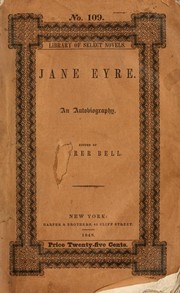
Jane Eyre
by Charlotte Brontë
The most immediate companion — Jane Eyre is Charlotte's most romantically satisfying novel and the one that makes the Villette experience legible in retrospect; Lucy Snowe is Jane Eyre seen through a darker prism, and reading both together shows how Charlotte developed the same basic situation (independent woman, passionate love, social constraints) into two very different novels.
- 2
 Buy on Amazon
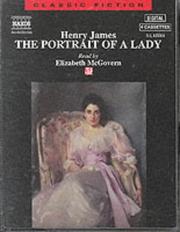
The Portrait of a Lady
by Henry James
Henry James was a great admirer of Charlotte Brontë and his masterwork inherits Villette's interest in a woman of intense inner life navigating a world that cannot accommodate her — Isabel Archer's marriage trap and Lucy Snowe's professional solitude are different forms of the same Victorian constraint, analyzed with James's greater psychological vocabulary.
- 3
 Buy on Amazon
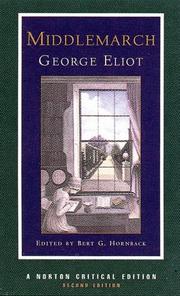
Middlemarch
by George Eliot
Eliot's masterwork shares Villette's interest in the inner life of a woman who exceeds her circumstances — Dorothea Brooke's intellectual ambition frustrated by a provincial marriage recalls Lucy Snowe's emotional ambition suppressed by professional necessity; the two novels together define the range of Victorian women's fiction's treatment of thwarted aspiration.
- 4
 Buy on Amazon
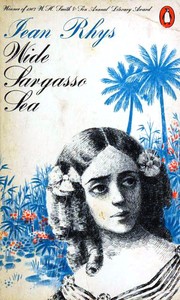
Wide Sargasso Sea
by Jean Rhys
Rhys's postcolonial response to Jane Eyre participates in the Brontë tradition that Villette belongs to — the isolated woman in an alien environment, the question of what the 'mad' or 'excessive' woman's perspective actually sees; Rhys and Charlotte Brontë are analyzing the same social mechanisms from opposite angles.
- 5
 Buy on Amazon
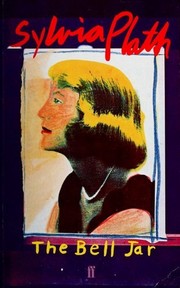
The Bell Jar
by Sylvia Plath
Plath's semi-autobiographical novel inherits Villette's portrait of female depression and its relationship to social constraint — Esther Greenwood's breakdown and recovery recall Lucy Snowe's 'Long Vacation' crisis, and both novels use the first-person narrative to render the specific quality of female mental anguish with an intensity unusual in their respective periods.
- 6
 Buy on Amazon
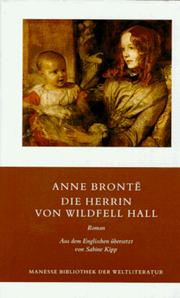
The Tenant of Wildfell Hall
by Anne Brontë
The Brontë novel most directly concerned with what Charlotte was exploring obliquely in Villette — Anne's direct account of an unhappy marriage and a woman's right to leave it is the social action version of the psychological intensity that Charlotte rendered through Lucy Snowe's inner life.
- 7
 Buy on Amazon
Shirley
by Charlotte Brontë
Charlotte's preceding novel and the best contrast to Villette within her own work — where Villette is claustrophobically focused on Lucy's inner life and confined to the Pensionnat Beck, Shirley is expansive, socially panoramic, and engaged with industrial history; the two novels together show Charlotte's full range.
- 8
 Buy on Amazon
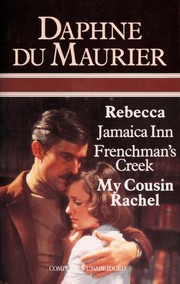
Rebecca
by Daphne du Maurier
Du Maurier's Gothic novel inherits Villette's interest in an unnamed female narrator of uncertain social position who falls in love with an older, more powerful man in a setting that is both attractive and threatening — the anonymous narrator of Rebecca is Lucy Snowe's mid-twentieth-century descendant in the Gothic romance tradition.
More Villette Resources
More Reading Recommendations
View all →Monthly Newsletter
Never miss a big release
Get the most anticipated upcoming books delivered to your inbox once a month — no spam, no filler.
Monthly only. Unsubscribe anytime.
Book links are Amazon affiliate links. As an Amazon Associate, BookReleaseRadar earns from qualifying purchases at no extra cost to you.