Recommendations
Books Like There Are No Children Here
Best books to read after There Are No Children Here by Alex Kotlowitz
There Are No Children Here shows how the structural conditions of poverty — housing segregation, concentrated disadvantage, the war on drugs — are experienced by two specific children in one specific place. These 8 books extend that portrait into urban policy, institutional failure, and the ongoing debate about what produces and sustains poverty.
- 1
 Buy on Amazon
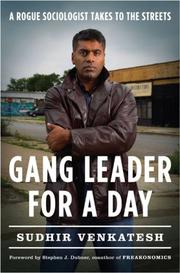
Gang Leader for a Day
by Sudhir Venkatesh
Venkatesh's 2008 sociological memoir about studying the Black Kings gang in the Robert Taylor Homes is the essential companion to There Are No Children Here — both books are set in Chicago public housing projects of the same era (the late 1980s and early 1990s), and together they give a more complete picture of the same social world from different vantage points: Kotlowitz follows two children from the inside, Venkatesh follows the gang's economics from a social-scientific outside.
- 2
 Buy on Amazon
Evicted
by Matthew Desmond
Desmond's 2016 Pulitzer Prize-winning ethnography of eviction in Milwaukee is the most methodologically comparable companion to There Are No Children Here: the same long-term participant observation, the same character-driven narrative, the same argument that housing instability is produced by specific mechanisms rather than individual failure — updated from the 1980s to the 2010s and moved from public housing to private rental.
- 3
 Buy on Amazon
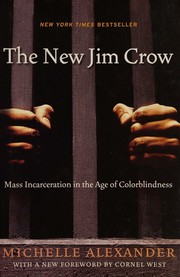
The New Jim Crow
by Michelle Alexander
Alexander's 2010 argument about mass incarceration as racialized social control provides the policy framework for understanding the world that Lafayette and Pharoah inhabit: why the Henry Horner Homes were policed the way they were, why the gang economy occupied the institutional space it did, and why the men in their lives cycled through prison.
- 4
 Buy on Amazon
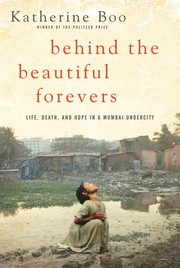
Behind the Beautiful Forevers
by Katherine Boo
Boo's 2012 National Book Award-winning portrait of life in a Mumbai slum is the international companion to There Are No Children Here: the same narrative method (years of observation, character-driven journalism), the same argument that poverty is produced by specific systems rather than individual failure, and a similar insistence on the full humanity of people the global economy treats as peripheral.
- 5
 Buy on Amazon
Nickel and Dimed
by Barbara Ehrenreich
Ehrenreich's 2001 immersive account of working minimum-wage jobs across America provides the labor-market context for understanding why the families in the Henry Horner Homes cannot escape poverty: the combination of wages that do not cover basic costs and a housing market structured to extract maximum income from people with no alternatives is the economic foundation of the world Kotlowitz describes.
- 6
 Buy on Amazon
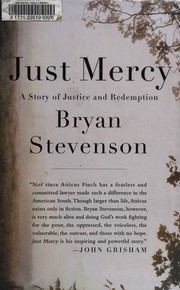
Just Mercy
by Bryan Stevenson
Stevenson's 2014 memoir about the Equal Justice Initiative shows the legal system that processes the men who leave the Henry Horner Homes: the racial disparities in sentencing, the failure of public defense, and the particular cruelty of a system that treats poor and Black defendants as problems to be managed rather than people to be served.
- 7
 Buy on Amazon
The Corner
by David Simon
Simon and Burns's 1997 account of a year on a Baltimore drug corner — following three families caught in the heroin and cocaine economy of West Baltimore — is the most important nonfiction predecessor to There Are No Children Here in the genre of immersive, character-driven reporting on urban drug markets and the children who grow up inside them.
- 8
 Buy on Amazon
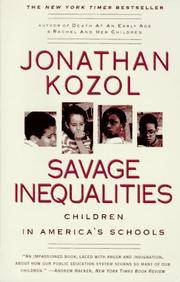
Savage Inequalities
by Jonathan Kozol
Kozol's 1991 account of the extreme disparities between rich and poor school districts in America — visiting schools in East St. Louis, Chicago, New York, Camden, and elsewhere and documenting the difference between what wealthy children and poor children receive — is the educational-system companion to There Are No Children Here, published in the same year and describing the same abandoned generation of American children from a different institutional angle.
More There Are No Children Here Resources
More Reading Recommendations
View all →Monthly Newsletter
Never miss a big release
Get the most anticipated upcoming books delivered to your inbox once a month — no spam, no filler.
Monthly only. Unsubscribe anytime.
Book links are Amazon affiliate links. As an Amazon Associate, BookReleaseRadar earns from qualifying purchases at no extra cost to you.