Recommendations
Books Like The World of Yesterday
Best books to read after The World of Yesterday by Stefan Zweig
The World of Yesterday is the greatest memoir of early twentieth-century European culture — Zweig's elegy for the cosmopolitan humanist civilization of Habsburg Vienna that two world wars destroyed. If the memoir's portrait of a lost world and its conviction that culture is both precious and fragile moved you, these books share its concern with the Central European Jewish world that was destroyed, its interest in what it meant to live as a cosmopolitan European, and its willingness to face honestly what that civilization failed to prevent.
- 1Buy on Amazon
Chess Story
by Stefan Zweig
The essential companion — Zweig's last novella, written simultaneously with The World of Yesterday; where the memoir mourns the world the Gestapo destroyed, Chess Story dramatizes directly what Gestapo imprisonment does to a mind; reading them together gives the full picture of Zweig's final creative act
- 2
 Buy on Amazon
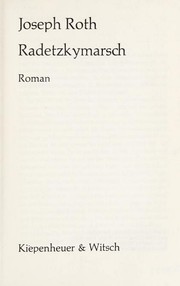
The Radetzky March
by Joseph Roth
Roth's fictional elegy for the same Habsburg world Zweig mourns in memoir — three generations of the Trotta family and their loyalty to an emperor who is dying; where Zweig mourns through autobiography, Roth mourns through fiction; together they are the essential literary response to the loss of Habsburg culture
- 3
 Buy on Amazon
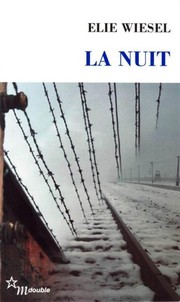
Night
by Elie Wiesel
Wiesel's memoir of Auschwitz — the essential direct testimony from the destruction of the European Jewish world that Zweig's memoir stands at the edge of; The World of Yesterday ends with the knowledge that what it describes is being destroyed; Wiesel's memoir describes what that destruction looked like from inside it
- 4
 Buy on Amazon
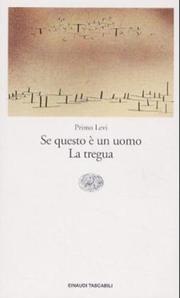
If This Is a Man
by Primo Levi
Levi's memoir of Auschwitz — the most analytically precise of the great Holocaust testimonies and the essential companion to Zweig's portrait of the European Jewish bourgeois culture that was destroyed; where Zweig writes from exile with the knowledge that destruction is happening, Levi writes from inside the machinery of that destruction
- 5Buy on Amazon
Austerlitz
by W.G. Sebald
Sebald's novel about a Kindertransport survivor's recovery of his suppressed childhood — the essential fictional response to the second generation of the catastrophe that Zweig's memoir stands at the threshold of; where Zweig documents the culture from inside it, Sebald excavates it through its ruins and survivors fifty years later
- 6
 Buy on Amazon
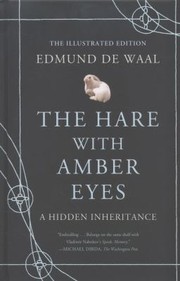
The Hare with Amber Eyes
by Edmund de Waal
De Waal's family memoir about the Ephrussi family's collection of Japanese netsuke — the most important recent parallel to The World of Yesterday in the tradition of the memoir that recovers a vanished Central European Jewish bourgeois world; where Zweig writes from exile in the moment of destruction, de Waal excavates from a century's distance
- 7
 Buy on Amazon
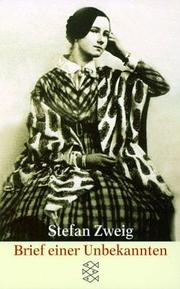
Letter from an Unknown Woman
by Stefan Zweig
The essential introduction to Zweig's fiction — a dying woman's letter to the novelist who seduced and forgot her; the comparison between Zweig's fiction and his memoir shows the full range of his psychological gifts: the same precision and the same compassion operating in completely different registers
- 8
 Buy on Amazon
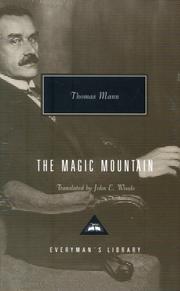
The Magic Mountain
by Thomas Mann
Mann's great novel of the pre-war European world — Hans Castorp's years in the Davos sanatorium as a portrait of the same civilization Zweig mourns; where Zweig's memoir is autobiographical and elegiac, Mann's novel is allegorical and ironic; together they give the range of what German literature made of the world that destroyed itself in 1914
More The World of Yesterday Resources
More Reading Recommendations
View all →Monthly Newsletter
Never miss a big release
Get the most anticipated upcoming books delivered to your inbox once a month — no spam, no filler.
Monthly only. Unsubscribe anytime.
Book links are Amazon affiliate links. As an Amazon Associate, BookReleaseRadar earns from qualifying purchases at no extra cost to you.