Recommendations
Books Like The Wild Duck
Best books to read after The Wild Duck by Henrik Ibsen
Ibsen's 1884 most demanding play — Gregers Werle's idealistic truth-telling destroying the Ekdal family and killing Hedvig — is his most self-interrogating work: a direct questioning of the idealism about truth and freedom that animated his earlier plays. These recommendations extend the experience through Ibsen's other major plays, through the European theatrical tradition that The Wild Duck helped establish, and through fiction and drama that investigates the relationship between idealism, truth, and their consequences.
- 1
 Buy on Amazon
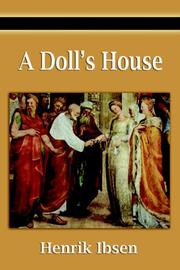
A Doll's House
by Henrik Ibsen
The essential companion and the target of The Wild Duck's self-examination — the play whose argument (that truth liberates) The Wild Duck then questions. A Doll's House endorses the act of truth-telling; The Wild Duck shows what happens when truth-telling is applied to people who cannot bear it. Reading them in order shows the development of Ibsen's thinking about the relationship between honesty and happiness.
- 2
 Buy on Amazon
Hedda Gabler
by Henrik Ibsen
The companion in psychological complexity — both plays represent Ibsen's move from social problem drama to psychological portraiture. In The Wild Duck, the destructive agent (Gregers) has genuinely good intentions; in Hedda Gabler, the destructive agent (Hedda) has complex motivations that resist reduction to good or bad. Together they constitute the turn in Ibsen's development from the didactic to the psychological.
- 3Buy on Amazon
The Cherry Orchard
by Anton Chekhov
The Russian companion in the tradition of the play about illusion and its costs — the Ranevskaya family's inability to face the reality of their situation. Both The Wild Duck and The Cherry Orchard are organized around people who cannot face a truth (that the orchard must be sold; that the Ekdals are living on illusions), and both treat this inability with compassion rather than condemnation.
- 4
 Buy on Amazon
Major Barbara
by George Bernard Shaw
Shaw's companion in the tradition of the problem play that interrogates its own idealism — Barbara's discovery that her father's munitions money underlies the Salvation Army's good works. Major Barbara and The Wild Duck are companion investigations of what happens when an idealist (Barbara; Gregers) discovers that their idealism is implicated in the world they want to reform.
- 5Buy on Amazon
Ghosts
by Henrik Ibsen
The immediate predecessor — Mrs. Alving's revelation of the truth about Captain Alving's life. Ghosts is the play in which truth-telling is still the hero; The Wild Duck is the play in which truth-telling becomes the villain. Reading them in order shows the development of Ibsen's thinking about the relationship between honesty, freedom, and their consequences across his late career.
- 6
 Buy on Amazon
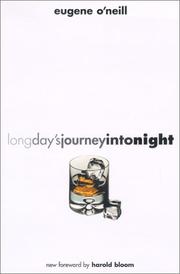
Long Day's Journey into Night
by Eugene O'Neill
O'Neill's 1941 companion in the tradition of the family play about illusion and truth — the Tyrones' terrible day of accusation and recognition. Like The Wild Duck, Long Day's Journey is organized around the question of what truth-telling does to a family whose ability to function depends on mutual illusions; unlike Ibsen, O'Neill shows the truth being told without any symbolic resolution or any possibility of retreat.
- 7Buy on Amazon
An Enemy of the People
by Henrik Ibsen
The companion from the same period — Dr. Stockmann's discovery that the town's baths are polluted and the community's resistance to the truth. An Enemy of the People and The Wild Duck are Ibsen's two possible verdicts on truth-telling: in An Enemy of the People, truth-telling is heroic; in The Wild Duck, it is catastrophic. Reading them together shows Ibsen holding both possibilities simultaneously.
- 8
 Buy on Amazon
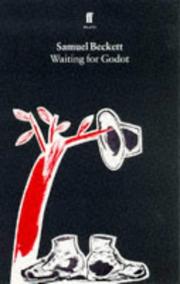
Waiting for Godot
by Samuel Beckett
Beckett's companion in the theatrical tradition of the play organized around waiting and unfulfilled desire — Vladimir and Estragon waiting for Godot. The Wild Duck and Waiting for Godot are connected through the theatrical tradition Ibsen established: the play organized not around action but around the conditions (illusion, waiting, mutual dependency) that make action impossible. Beckett learned from Chekhov who learned from Ibsen.
More The Wild Duck Resources
More Reading Recommendations
View all →Monthly Newsletter
Never miss a big release
Get the most anticipated upcoming books delivered to your inbox once a month — no spam, no filler.
Monthly only. Unsubscribe anytime.
Book links are Amazon affiliate links. As an Amazon Associate, BookReleaseRadar earns from qualifying purchases at no extra cost to you.