Recommendations
Books Like The Way We Live Now
Best books to read after The Way We Live Now by Anthony Trollope
Anthony Trollope's most ambitious novel (1874-75) is a vast satire of Victorian financial fraud and social corruption organized around the mysterious financier Augustus Melmotte. These recommendations extend the experience through Trollope's other major novels, through Victorian and modern fiction about financial fraud, and through the tradition of the satirical social novel that Trollope's greatest work participates in.
- 1
 Buy on Amazon
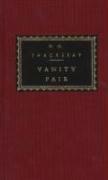
Vanity Fair
by William Makepeace Thackeray
The great Victorian social satire that The Way We Live Now most directly extends — Thackeray's portrait of a society organized around money and social advancement is Trollope's most important predecessor, and Melmotte is the Becky Sharp figure (the social outsider who exploits the system) taken to its logical devastating conclusion.
- 2
 Buy on Amazon
Our Mutual Friend
by Charles Dickens
Dickens's final completed novel covers much of the same territory as The Way We Live Now — the Veneerings' false social position, the Lammles' predatory marriage, the social world organized around apparent wealth; written a decade earlier, it is the Dickens version of the analysis Trollope undertook in his greatest satire.
- 3
 Buy on Amazon
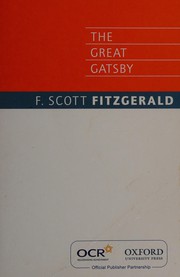
The Great Gatsby
by F. Scott Fitzgerald
Fitzgerald's American novel is the twentieth-century equivalent of The Way We Live Now — Jay Gatsby's social credit built entirely on apparent wealth, the parties that enact that credit without confirming it, and the eventual exposure and destruction of the fiction; Fitzgerald and Trollope are analyzing the same social mechanism in different national contexts.
- 4
 Buy on Amazon
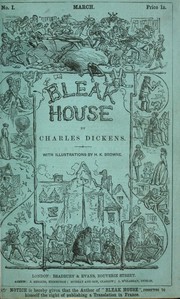
Bleak House
by Charles Dickens
Dickens's masterwork uses the Court of Chancery as the organizing symbol of a corrupt society in the same way that Trollope uses the Central South Pacific and Mexican Railway — an institution that destroys individuals through the sheer machinery of its operations; the most direct literary predecessor to The Way We Live Now's structural satire.
- 5
 Buy on Amazon
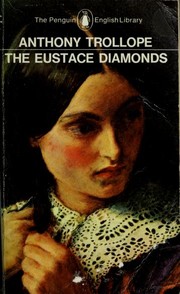
The Eustace Diamonds
by Anthony Trollope
The Palliser novel that most directly anticipates The Way We Live Now — Lizzie Eustace's social credit built on apparent virtue parallels Melmotte's credit built on apparent wealth; reading the two novels together shows how Trollope developed his analysis of appearance vs. substance from comedy to comprehensive social critique.
- 6
 Buy on Amazon
The Bonfire of the Vanities
by Tom Wolfe
Wolfe's satirical novel of 1980s New York is the most direct American descendant of The Way We Live Now — the social world of the masters of the universe, the collapse of a financier's social credit, the media's role in creating and destroying reputations; Wolfe explicitly acknowledged Trollope as a model for his panoramic social satire.
- 7
 Buy on Amazon
The Age of Innocence
by Edith Wharton
Wharton's portrait of New York society in the 1870s shares The Way We Live Now's interest in a social world organized around appearance and propriety — the mechanics by which both societies enforce their norms and destroy those who threaten them are analyzed with the same moral precision that Trollope brought to Victorian London.
- 8
 Buy on Amazon
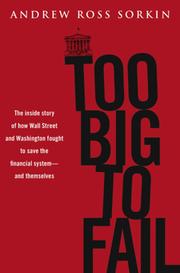
Too Big to Fail
by Andrew Ross Sorkin
The definitive account of the 2008 financial crisis — reading it alongside The Way We Live Now shows how thoroughly Trollope anticipated the sociology of financial fraud: the social credit of apparent success, the complicity of media and politicians, and the eventual systemic collapse when the fiction becomes unsustainable.
More The Way We Live Now Resources
More Reading Recommendations
View all →Monthly Newsletter
Never miss a big release
Get the most anticipated upcoming books delivered to your inbox once a month — no spam, no filler.
Monthly only. Unsubscribe anytime.
Book links are Amazon affiliate links. As an Amazon Associate, BookReleaseRadar earns from qualifying purchases at no extra cost to you.