Recommendations
Books Like The Vicar of Wakefield
Best books to read after The Vicar of Wakefield by Oliver Goldsmith
Readers who love The Vicar of Wakefield by Oliver Goldsmith are drawn to its combination of the most characteristic sentimental comedy of the eighteenth century, the almost incredible accumulation of misfortunes that befall the Primrose family, and the benevolent Vicar's serene trust in Providence that is both moving and gently comic. They want works that deal with the sentimental tradition in eighteenth-century literature, the comic investigation of virtue under pressure, and the tradition of the good-natured hero in a world of hypocrisy.
- 1
 Buy on Amazon
Gulliver's Travels
by Jonathan Swift
Swift's companion — the satirical travel narrative. The companion as the pole opposite: where The Vicar of Wakefield is organized around sentimental benevolence and trust in Providence, Gulliver's Travels is organized around satirical disgust at human nature — the two poles of the eighteenth-century English attitude toward humanity
- 2
 Buy on Amazon
Tom Jones
by Henry Fielding
Fielding's companion — the foundling Tom and his adventures. The companion as the predecessor in the comic-sentimental tradition: Fielding's investigation of the good-natured hero in a world of snobbery and hypocrisy is the predecessor of Goldsmith's investigation of the good-natured Vicar
- 3
 Buy on Amazon
Pamela
by Samuel Richardson
Richardson's companion — the first great sentimental novel. The companion as the predecessor: where Richardson uses the letter-form to investigate the same trust in Providence and the same conviction that feeling is a guide to moral truth, Goldsmith uses the first-person narrator and the accumulation of disasters to investigate the same question
- 4
 Buy on Amazon
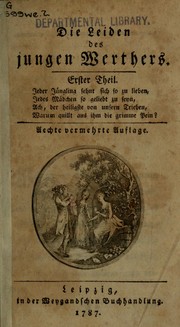
The Sorrows of Young Werther
by Johann Wolfgang von Goethe
Goethe's companion — Werther's fatal passion. The companion as the German response: Goethe was deeply influenced by The Vicar of Wakefield; The Sorrows of Young Werther is the German sentimental novel organized around the same conviction that feeling is the highest human faculty, but taken to its tragic extreme
- 5
 Buy on Amazon
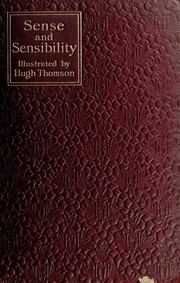
Sense and Sensibility
by Jane Austen
Austen's companion — the critique of the sentimental tradition. The companion as the successor: Austen's investigation of the relationship between feeling and judgment, sentiment and sense, is organized partly against the tradition of sentimental novels like The Vicar of Wakefield, and reading them together illuminates Austen's complex relationship to that tradition
- 6
 Buy on Amazon
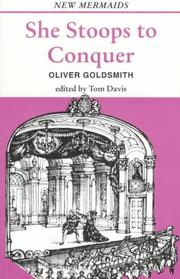
She Stoops to Conquer
by Oliver Goldsmith
Goldsmith's companion comedy — the theatrical version of the same investigation. The companion as the theatrical version of the same comic benevolence: both The Vicar of Wakefield and She Stoops to Conquer are organized around the same good-natured investigation of the relationship between sentiment and social comedy
- 7
 Buy on Amazon
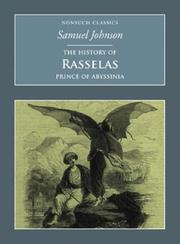
Rasselas
by Samuel Johnson
Johnson's companion philosophical tale — Rasselas's search for the happy life. The companion as the eighteenth-century philosophical tale in its most different mode: where Goldsmith's novel is organized around sentimental comedy and trust in Providence, Johnson's is organized around the melancholy recognition that human happiness is not available in any earthly form
- 8
 Buy on Amazon
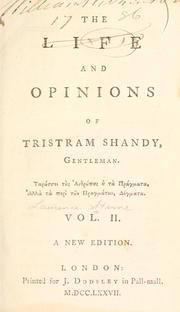
Tristram Shandy
by Laurence Sterne
Sterne's companion — the formal radical experiment. The companion as the period's most different achievement: where Goldsmith's sentimental comedy is organized around conventional narrative form and benevolent feeling, Sterne's metafictional digression is organized around the subversion of all conventional form — the two poles of the eighteenth-century English novel
More The Vicar of Wakefield Resources
More Reading Recommendations
View all →Monthly Newsletter
Never miss a big release
Get the most anticipated upcoming books delivered to your inbox once a month — no spam, no filler.
Monthly only. Unsubscribe anytime.
Book links are Amazon affiliate links. As an Amazon Associate, BookReleaseRadar earns from qualifying purchases at no extra cost to you.