Recommendations
Books Like The Tipping Point
Best books to read after The Tipping Point by Malcolm Gladwell
The Tipping Point gave us a vocabulary for understanding how ideas and behaviors spread: connectors, mavens, salespeople, stickiness, and context. These 8 books extend that framework into social science, network theory, and the study of how change actually happens.
- 1
 Buy on Amazon
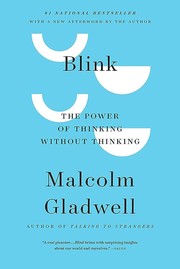
Blink
by Malcolm Gladwell
Gladwell's 2005 second book examines rapid intuitive judgment — the split-second decisions that experts make from minimal information — and when that thin-slicing is more reliable than deliberate analysis and when it fails. The natural next step after The Tipping Point in Gladwell's examination of how the unconscious mind shapes behavior.
- 2
 Buy on Amazon
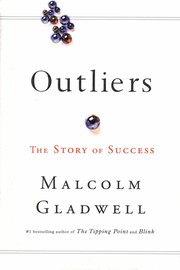
Outliers
by Malcolm Gladwell
Gladwell's 2008 third book examines the factors behind extraordinary success — arguing that genius and talent matter less than context, timing, cultural legacy, and the '10,000 hours' of deliberate practice — and is the most widely read of his books after The Tipping Point, extending his project of identifying the hidden structural factors behind apparently individual outcomes.
- 3
 Buy on Amazon
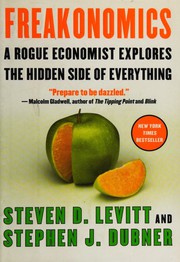
Freakonomics
by Steven D. Levitt
Levitt and Dubner's 2005 popular economics bestseller is the most important companion to The Tipping Point in the founding pop-social-science genre: where Gladwell uses sociology and social psychology to explain how phenomena spread, Levitt uses economic analysis of incentives to explain why people behave the way they do — together they define the genre.
- 4
 Buy on Amazon
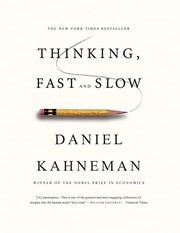
Thinking, Fast and Slow
by Daniel Kahneman
Kahneman's 2011 synthesis of cognitive psychology research provides the psychological foundation for understanding The Tipping Point's mechanisms: the 'stickiness factor' works because System 1 processes memorable messages automatically and stores them in memory; the 'power of context' works because System 1 responds to environmental cues in ways that bypass deliberate reasoning.
- 5
 Buy on Amazon
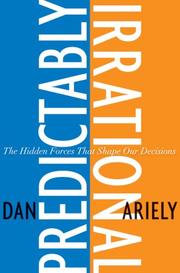
Predictably Irrational
by Dan Ariely
Ariely's 2008 behavioral economics bestseller complements The Tipping Point's account of how small changes in context shape behavior: Ariely's experiments on the power of 'free' offers, the anchoring effect, and the distorting effects of social norms are specific mechanisms that explain why the same message can tip in different contexts.
- 6
 Buy on Amazon
Contagious
by Jonah Berger
Berger's 2013 account of why things go viral — identifying six STEPPS (Social currency, Triggers, Emotion, Public, Practical value, Stories) that make ideas and products spread — is the most direct update to The Tipping Point with more recent empirical research, addressing the same question with a more systematic and testable framework.
- 7
 Buy on Amazon
The Righteous Mind
by Jonathan Haidt
Haidt's 2012 moral psychology examines how moral ideas spread and why they are so resistant to rational argument — the intuitive, emotional dimension of the spreading processes that The Tipping Point describes without fully examining why certain messages stick while others don't.
- 8
 Buy on Amazon
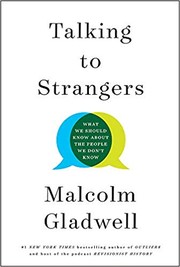
Talking to Strangers
by Malcolm Gladwell
Gladwell's 2019 sixth book examines why we misunderstand strangers — using cases from Neville Chamberlain's meetings with Hitler to the death of Sandra Bland — and shows how defaulting to assumptions of transparency and honesty produces catastrophic errors in judgment when applied to people whose behavior doesn't match their inner states.
More The Tipping Point Resources
More Reading Recommendations
View all →Monthly Newsletter
Never miss a big release
Get the most anticipated upcoming books delivered to your inbox once a month — no spam, no filler.
Monthly only. Unsubscribe anytime.
Book links are Amazon affiliate links. As an Amazon Associate, BookReleaseRadar earns from qualifying purchases at no extra cost to you.