Recommendations
Books Like The Secret Agent
Best books to read after The Secret Agent by Joseph Conrad
Conrad's 1907 novel — the darkest comedy in English fiction — follows Mr. Verloc, a double agent in London ordered to bomb the Greenwich Observatory, whose attempt to delegate the task triggers a catastrophe that destroys everyone around him. These recommendations extend the experience through Conrad's other major works, through fiction that shares its portrait of political nihilism and human hollowness, and through novels that explore the world of anarchism, political violence, and the moral corruption of those who claim idealistic motivations.
- 1
 Buy on Amazon
Heart of Darkness
by Joseph Conrad
Conrad's 1899 novella and the essential companion — Marlow's journey up the Congo River to find Kurtz, who has abandoned his civilizing mission and become something else entirely. Heart of Darkness and The Secret Agent are Conrad's two most sustained studies of the hollowness of European civilization's self-justifications: in the Congo, imperialism; in London, anarchism — both revealing the gap between what power claims and what it does.
- 2
 Buy on Amazon
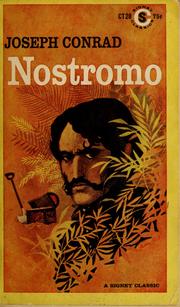
Nostromo
by Joseph Conrad
Conrad's 1904 novel — widely considered his most ambitious work: a fictional South American republic, its silver mine, its revolution, and the various people destroyed by the forces of 'material interests.' Like The Secret Agent, Nostromo is a novel about the emptiness of political idealism — the characters who claim to act for principle are revealed to act for greed, vanity, or compulsion. Conrad's darkest and most complex political novel.
- 3
 Buy on Amazon
Under Western Eyes
by Joseph Conrad
Conrad's 1911 novel and the closest companion to The Secret Agent: a Russian student in Geneva becomes entangled with revolutionary exiles after betraying a fellow student to the Tsarist police. Under Western Eyes and The Secret Agent are Conrad's two direct treatments of political conspiracy — both show the anarchist-revolutionary world as morally hollow, populated by people who are deluded about their own motivations and willing to sacrifice others to their abstractions.
- 4Buy on Amazon
The Possessed
by Fyodor Dostoevsky
Dostoevsky's 1872 novel — the greatest of all studies of political nihilism and the destruction it brings to the provincial town where a group of political radicals operates. The Possessed (also known as Demons) and The Secret Agent share a view of revolutionary politics as fundamentally nihilistic — the revolutionaries in both novels are driven by vanity, resentment, and the will to destroy, not by any genuine vision of what to build. Where Conrad is darkly comic, Dostoevsky is apocalyptic.
- 5
 Buy on Amazon
The Princess Casamassima
by Henry James
James's 1886 novel — the closest English-language parallel to The Secret Agent: Hyacinth Robinson, a young Londoner drawn into anarchist circles, pledges himself to an act of political violence and then becomes uncertain whether he can carry it out. The Princess Casamassima and The Secret Agent are the two great Victorian novels about London anarchism — James approaches the subject with psychological depth and ambiguity, Conrad with ironic cold comedy, but both are studying the same underworld.
- 6
 Buy on Amazon
Lord Jim
by Joseph Conrad
Conrad's 1900 novel and the essential companion for understanding Conrad's moral world: Jim, a first mate who abandons a sinking ship full of pilgrims, spends the rest of his life trying to find a situation in which he can be the hero he imagines himself. Where The Secret Agent dissects the moral hollowness of political idealism, Lord Jim dissects the moral hollowness of personal idealism — Conrad's preoccupation with the gap between how people see themselves and what they actually do.
- 7
 Buy on Amazon
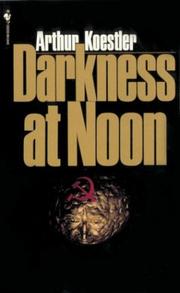
Darkness at Noon
by Arthur Koestler
Koestler's 1940 novel — the twentieth-century companion in the tradition of the novel about political idealism and its corruption: Rubashov, an old Bolshevik, is arrested during the Stalinist purges and interrogated about crimes he did not commit. Darkness at Noon and The Secret Agent share the view of political radicalism as a system that destroys those who created it — though where Conrad is ironic and distant, Koestler is anguished and philosophical.
- 8Buy on Amazon
The Man Who Was Thursday
by G.K. Chesterton
Chesterton's 1908 novel — published the year after The Secret Agent and set in the same London anarchist world: Gabriel Syme, a detective, infiltrates an anarchist council and discovers that its members are not what they seem. The Man Who Was Thursday and The Secret Agent are the two great treatments of the London anarchist world from the same moment — where Conrad is grimly realistic, Chesterton is surreal and metaphysical, but both are writing about the absurdity of political conspiracy.
More The Secret Agent Resources
More Reading Recommendations
View all →Monthly Newsletter
Never miss a big release
Get the most anticipated upcoming books delivered to your inbox once a month — no spam, no filler.
Monthly only. Unsubscribe anytime.
Book links are Amazon affiliate links. As an Amazon Associate, BookReleaseRadar earns from qualifying purchases at no extra cost to you.