Recommendations
Books Like The Hours
Best books to read after The Hours by Michael Cunningham
Cunningham's 1998 Pulitzer Prize-winning novel — three women across different decades in relationship to Virginia Woolf's Mrs Dalloway — is a love letter to Woolf's work and a meditation on what it means to choose life and what it costs. These recommendations extend the experience through Woolf's own novels, through contemporary literary fiction that inherits her influence, and through fiction that investigates the relationship between creativity, illness, and the desire for death.
- 1
 Buy on Amazon
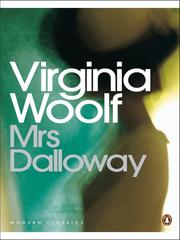
Mrs Dalloway
by Virginia Woolf
Woolf's 1925 masterpiece is the essential companion — The Hours is explicitly structured around it and in dialogue with it at every level. Mrs Dalloway follows Clarissa Dalloway's preparation for a party across a single London day while Septimus Warren Smith's shellshock and suicide run in counterpoint. Reading Mrs Dalloway alongside The Hours shows what Cunningham is doing with Woolf's material: taking the choice between life (the party) and death (Septimus's window) and exploring how three different women in three different decades inhabit that choice.
- 2
 Buy on Amazon
To the Lighthouse
by Virginia Woolf
Woolf's 1927 companion — the most emotionally resonant of her novels: the Ramsay family at their summer house, the lighthouse that cannot be reached until Mrs. Ramsay is dead, the time-lapse of the middle section ('Time Passes'). To the Lighthouse is the Woolf novel most directly concerned with the passage of time and the persistence of the dead among the living — the same themes that The Hours explores through its three-decade span. Mrs. Ramsay's presence in the third section, after her death, is the closest Woolf comes to the ghost-presence that The Hours investigates.
- 3
 Buy on Amazon
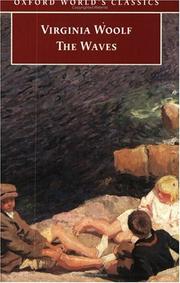
The Waves
by Virginia Woolf
Woolf's 1931 most formally ambitious novel — six characters speaking their inner lives through monologues from childhood to old age — is the work in which the investigation of consciousness and time that The Hours inherits from Mrs Dalloway is developed in its most extreme form. The Hours is in dialogue with all of Woolf's major works, but Mrs Dalloway most directly; The Waves is what Woolf achieved after, and reading The Hours and then The Waves shows the full arc of what Woolf was attempting.
- 4
 Buy on Amazon
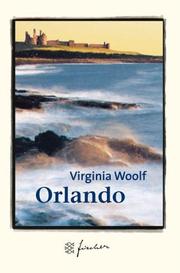
Orlando
by Virginia Woolf
Woolf's 1928 playful companion — Orlando's three-hundred-year life and gender transformation — shows the other face of what The Hours draws on: where The Hours takes the tragic and deathward aspect of Woolf's work (the Septimus story, Woolf's suicide, the dying Richard), Orlando takes the joyful and life-affirming aspect. Reading Orlando alongside The Hours gives the full picture of what Cunningham loves in Woolf's work.
- 5
 Buy on Amazon
A Little Life
by Hanya Yanagihara
Yanagihara's 2015 companion in the tradition of the contemporary literary novel about suffering, friendship, and the relationship between trauma and the desire for death — four friends across decades in New York, centering on Jude St. Francis's history of abuse and his long struggle toward a life worth living. A Little Life asks the same question The Hours asks (what makes a life worth living?) and gives a darker, less consoled answer: some damage is too severe to be overcome.
- 6
 Buy on Amazon
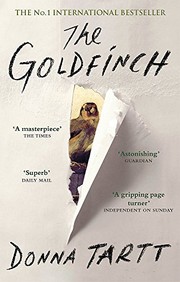
The Goldfinch
by Donna Tartt
Tartt's 2014 Pulitzer Prize-winning companion — Theo Decker's life shaped by a terrorist bombing that kills his mother — shares The Hours's preoccupation with how one event (a death, a choice) shapes an entire life. Both are Pulitzer Prize-winning novels about the long consequences of a single historical moment, and both use the form of the literary novel to ask philosophical questions about beauty, survival, and what it means to live in the aftermath of catastrophe.
- 7
 Buy on Amazon
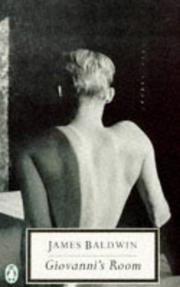
Giovanni's Room
by James Baldwin
Baldwin's 1956 companion in the tradition of the literary novel about the cost of refusing the life you actually have — David's inability to accept his desire for Giovanni leading to Giovanni's death. The Hours and Giovanni's Room are companion studies in the same fundamental question: what does it cost to live a life organized around denial of what you are? Both novels are structured retrospectively (we know the catastrophe; the novel reconstructs how it happened) and both make the connection between self-denial and the destruction of others.
- 8
 Buy on Amazon
The Remains of the Day
by Kazuo Ishiguro
Ishiguro's 1989 companion in the tradition of the retrospective novel about a life organized around a wrong choice — Stevens the butler's gradual recognition, during a motor trip through England, that he devoted his professional excellence to a man and a cause that did not deserve it, and sacrificed his emotional life in the process. The Remains of the Day asks the same question The Hours asks about Laura Brown: what does it cost to choose the acceptable life over the authentic one?
More The Hours Resources
More Reading Recommendations
View all →Monthly Newsletter
Never miss a big release
Get the most anticipated upcoming books delivered to your inbox once a month — no spam, no filler.
Monthly only. Unsubscribe anytime.
Book links are Amazon affiliate links. As an Amazon Associate, BookReleaseRadar earns from qualifying purchases at no extra cost to you.