Recommendations
Books Like The Flies
Best books to read after The Flies by Jean-Paul Sartre
Readers who love The Flies by Jean-Paul Sartre are drawn to its combination of political courage — produced in occupied Paris in 1943 — and philosophical depth, the existentialist rewriting of the Oresteia in which Orestes' radical refusal of guilt is the model of authentic freedom — they want plays and novels that deal with Greek myth revisited, the relationship between freedom and responsibility, and the political drama of the French Resistance tradition.
- 1
 Buy on Amazon
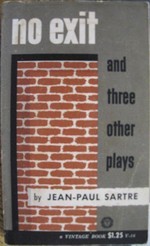
No Exit
by Jean-Paul Sartre
The companion Sartre play — Garcin, Inès, and Estelle in Hell. The companion in Sartre's existentialist theater: where The Flies investigates the possibility of freedom through radical action, No Exit investigates the Hell of being-for-others
- 2
 Buy on Amazon
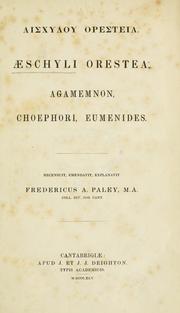
The Oresteia
by Aeschylus
The source — Agamemnon, the Choephori, and the Eumenides. Sartre rewrites Aeschylus's conclusion: where Aeschylus resolves the cycle through Athena's institution of the jury trial, Sartre resolves it through Orestes's radical existentialist refusal of guilt
- 3
 Buy on Amazon
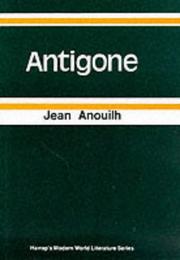
Antigone
by Jean Anouilh
Anouilh's companion rewriting of Sophocles — produced in occupied Paris the same year. The companion French drama of the same political context: both The Flies and Anouilh's Antigone use Greek myth to investigate the relationship between individual freedom and political authority under the Occupation
- 4
 Buy on Amazon
Nausea
by Jean-Paul Sartre
The companion Sartre novel — Roquentin's discovery of the absurdity of existence. The companion investigation of the existentialist subject: The Flies dramatizes the moment of authentic choice; Nausea dramatizes the discovery that there is no inherent meaning that precedes the choice
- 5
 Buy on Amazon
Being and Nothingness
by Jean-Paul Sartre
Sartre's companion philosophical masterwork. The Flies is the theatrical demonstration of the philosophical arguments about freedom, bad faith, and authentic action: Orestes's refusal of guilt is the theatrical enactment of what Sartre calls authentic existence
- 6
 Buy on Amazon
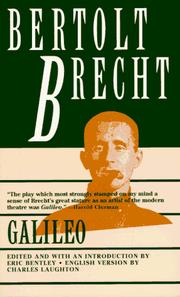
The Resistible Rise of Arturo Ui
by Bertolt Brecht
Brecht's companion political allegory — a gangster rises to power in the Chicago cauliflower trade. The companion political allegory: both are plays written in the shadow of totalitarianism that use historical or mythological distancing to make a political argument about complicity, resistance, and freedom
- 7
 Buy on Amazon
Electra
by Sophocles
Sophocles's companion version of the same story — Electra's obsession with vengeance. The companion ancient version of the myth organized around Electra rather than Orestes; Sartre's Electra is weaker than Sophocles's, and her collapse under guilt after the murders is one of the play's most interesting departures from the source
- 8
 Buy on Amazon
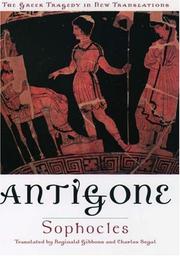
Antigone
by Sophocles
Sophocles's companion about individual conscience versus state authority. The companion ancient investigation of the relationship between individual moral conviction and political authority: Antigone's refusal to accept Creon's authority is the Greek prototype of Orestes's existentialist refusal of Jupiter's system of guilt and punishment
More The Flies Resources
More Reading Recommendations
View all →Monthly Newsletter
Never miss a big release
Get the most anticipated upcoming books delivered to your inbox once a month — no spam, no filler.
Monthly only. Unsubscribe anytime.
Book links are Amazon affiliate links. As an Amazon Associate, BookReleaseRadar earns from qualifying purchases at no extra cost to you.