Recommendations
Books Like The Farming of Bones
Best books to read after The Farming of Bones by Edwidge Danticat
If The Farming of Bones moved you — Amabelle Désir surviving the 1937 Parsley Massacre, the border between Haiti and the Dominican Republic as a site of both love and slaughter, the way the novel holds a survivor's grief without resolution — these eight novels share its engagement with Caribbean political violence, its portrait of historical massacre, or its investigation of what survival costs those who are left.
- 1
 Buy on Amazon
The Dew Breaker
by Edwidge Danticat
Nine linked stories about a Haitian torturer living in Brooklyn — Danticat's most formally inventive work is the direct companion to The Farming of Bones: both novels are organized around Haitian political violence and its aftermath, both engage with what perpetrators and survivors carry forward into the lives that come after the atrocity; where The Farming of Bones is about the survivor's experience of massacre, The Dew Breaker is about the perpetrator's experience of his own violence
- 2
 Buy on Amazon
Breath, Eyes, Memory
by Edwidge Danticat
Sophie Caco from Haiti to New York — Danticat's debut novel is the companion to The Farming of Bones in its portrait of Haitian women carrying the consequences of historical violence; where The Farming of Bones is set at the moment of the 1937 massacre, Breath, Eyes, Memory is set in the contemporary diaspora and traces personal rather than political trauma, but both novels center on a Haitian woman's body as the site where history is inscribed
- 3
 Buy on Amazon
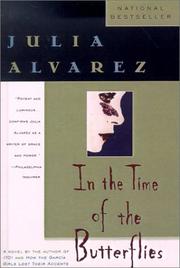
In the Time of the Butterflies
by Julia Alvarez
The four Mirabal sisters under Trujillo — Alvarez's novel is the closest literary companion to The Farming of Bones: both novels center on the Trujillo dictatorship's violence, both follow women living within a system of political terror, and both are organized around the question of what ordinary people can do in the face of a state that has decided to kill them; where The Farming of Bones focuses on the Haitian victims of Trujillo's 1937 massacre, Alvarez's novel focuses on the Dominican opponents of his regime twenty years later
- 4
 Buy on Amazon
Things Fall Apart
by Chinua Achebe
Okonkwo and the Igbo community of Umuofia being destroyed by British colonialism — Achebe's novel shares The Farming of Bones's engagement with the destruction of a community by an external power that has decided the community's members are not fully human; where Danticat's massacre is carried out by one Caribbean nation against the citizens of another, Achebe's destruction is carried out by a colonial power against an African community, but both novels center on ordinary people trying to survive inside a catastrophe they did not choose
- 5
 Buy on Amazon
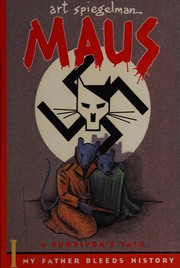
Maus
by Art Spiegelman
Art Spiegelman's father Vladek surviving Auschwitz, told in graphic novel form with Jews as mice and Nazis as cats — Spiegelman's Pulitzer Prize winner shares The Farming of Bones's engagement with what it is to tell a survivor's story of genocide and what is lost and distorted in the telling; both works are organized around the problem of surviving and telling, and both ask whether survival can be honored in art without being falsified
- 6
 Buy on Amazon
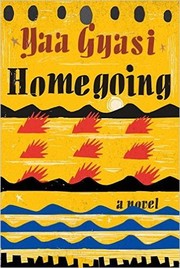
Homegoing
by Yaa Gyasi
Two Ghanaian sisters and their descendants across eight generations, from the slave trade to contemporary America — Gyasi's debut shares The Farming of Bones's engagement with how historical violence is carried through generations of Black people in the Atlantic world; where Danticat focuses on one massacre and its immediate aftermath, Gyasi traces the longer arc of racial violence across continents and centuries
- 7
 Buy on Amazon
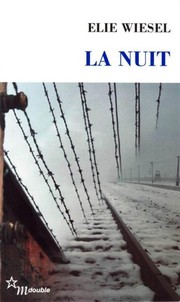
Night
by Elie Wiesel
Wiesel's memoir about surviving Auschwitz and Buchenwald — the nonfiction companion to The Farming of Bones: both works ask what it means to survive a systematic attempt to kill a people, what the survivor carries from the killing fields into ordinary life, and whether that ordinary life can ever again be ordinary; Wiesel's is the defining survivor memoir, and The Farming of Bones is in explicit dialogue with the tradition of atrocity literature that Night established
- 8
 Buy on Amazon
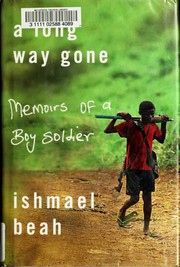
A Long Way Gone
by Ishmael Beah
Ishmael Beah's memoir about being recruited as a child soldier in Sierra Leone's civil war — the nonfiction companion to The Farming of Bones in its portrait of a person who has survived systematic violence and must reconstruct a self from the aftermath; where Amabelle's violence is directed at an ethnic group, Beah's is directed at child soldiers who are simultaneously perpetrators and victims, but both works center on the question of how survival is possible after witnessing and enduring extreme violence
More The Farming of Bones Resources
More Reading Recommendations
View all →Monthly Newsletter
Never miss a big release
Get the most anticipated upcoming books delivered to your inbox once a month — no spam, no filler.
Monthly only. Unsubscribe anytime.
Book links are Amazon affiliate links. As an Amazon Associate, BookReleaseRadar earns from qualifying purchases at no extra cost to you.