Recommendations
Books Like The Fall
Best books to read after The Fall by Albert Camus
The Fall is Camus's most psychologically complex novel — the monologue of Jean-Baptiste Clamence, who has abandoned his Parisian legal career to work as a judge-penitent in Amsterdam, confessing his sins as a way of inducing others to confess theirs. If the novel's portrait of sophisticated bad faith and its devastating anatomy of the gap between our self-image and our actual moral performance moved you, these books share its concern with self-deception, its interest in the confession as a literary form, and its willingness to make the reader feel implicated in the narrator's dishonesty.
- 1
 Buy on Amazon
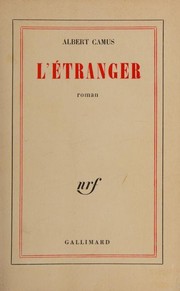
The Stranger
by Albert Camus
The essential companion — Meursault's detachment and his trial; where The Fall's Clamence is guilty of sophisticated self-deception, The Stranger's Meursault is guilty of the opposite: a radical honesty about his indifference that his society cannot forgive; reading both gives the full range of Camus's moral imagination
- 2
 Buy on Amazon
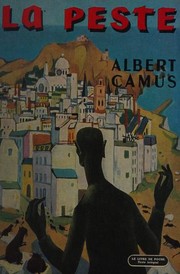
The Plague
by Albert Camus
The companion in Camus's fiction organized around solidarity rather than individual bad faith — Dr. Rieux and the Oran plague; the contrast between The Plague's vision of committed collective action and The Fall's portrait of the man who fails in the decisive moment shows the two poles of Camus's moral thinking
- 3Buy on Amazon
Notes from Underground
by Fyodor Dostoevsky
The essential predecessor in the tradition of the confessional monologue designed to implicate the reader — the Underground Man's self-contradictory confession; Camus's Clamence is directly descended from Dostoevsky's Underground Man, and reading Notes from Underground illuminates exactly what Camus is doing with the monologue form in The Fall
- 4
 Buy on Amazon
Nausea
by Jean-Paul Sartre
The existentialist companion — Roquentin's confrontation with radical contingency; where The Fall is organized around bad faith (the refusal of radical freedom), Nausea is organized around the nausea that comes from confronting freedom directly; both are philosophical novels that use first-person narrators to dramatize existentialist concepts
- 5
 Buy on Amazon
The Remains of the Day
by Kazuo Ishiguro
Ishiguro's novel about Stevens the butler's gradual recognition of his complicity in his employer's Nazi sympathies — the most important contemporary parallel to The Fall's portrait of a man whose self-image has been constructed to prevent him from seeing what he has actually done; both are masterpieces of the unreliable first-person narrator
- 6
 Buy on Amazon
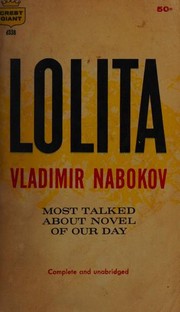
Lolita
by Vladimir Nabokov
Nabokov's masterpiece of unreliable self-justification — Humbert Humbert's attempt to aestheticize and justify his predation of Dolores Haze; where Clamence confesses his sins in order to implicate the listener, Humbert confesses his crime in order to justify it; both are masterpieces of the novel as a trap for the reader
- 7
 Buy on Amazon
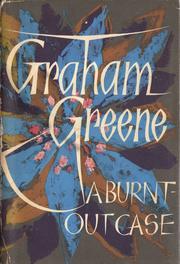
A Burnt-Out Case
by Graham Greene
Greene's parallel portrait of spiritual exhaustion — Querry's retreat to the Congo after losing faith in God, art, and human connection; the comparison between Clamence's sophisticated bad faith and Querry's genuine exhaustion of belief shows two very different responses to the question of whether authentic commitment is possible in the modern world
- 8
 Buy on Amazon
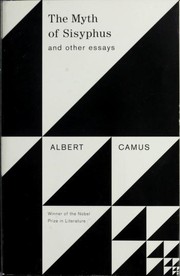
The Myth of Sisyphus
by Albert Camus
Camus's philosophical essay — the framework for his entire fiction: the question of the absurd and how to live in its face; reading The Myth of Sisyphus after The Fall gives the philosophical context that makes Clamence's condition precisely legible as both a psychological portrait and an illustration of bad faith in the technical Sartrean sense
More The Fall Resources
More Reading Recommendations
View all →Monthly Newsletter
Never miss a big release
Get the most anticipated upcoming books delivered to your inbox once a month — no spam, no filler.
Monthly only. Unsubscribe anytime.
Book links are Amazon affiliate links. As an Amazon Associate, BookReleaseRadar earns from qualifying purchases at no extra cost to you.