Recommendations
Books Like Savage Inequalities
Best books to read after Savage Inequalities by Jonathan Kozol
Savage Inequalities documents the moral scandal of American education: that zip code determines educational opportunity more than ability or effort. These 8 books extend that argument into urban poverty, mass incarceration, housing policy, and the structural forces that reproduce inequality across generations.
- 1
 Buy on Amazon
There Are No Children Here
by Alex Kotlowitz
Kotlowitz's 1991 account of two brothers growing up in the Henry Horner Homes is the narrative complement to Savage Inequalities' policy argument: where Kozol documents what the schools look like, Kotlowitz shows what the children who attend them actually experience — the violence, the poverty, the complete absence of the middle-class supports that wealthy children take for granted.
- 2
 Buy on Amazon
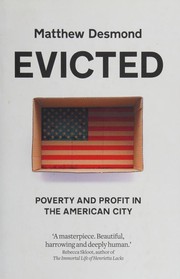
Evicted
by Matthew Desmond
Desmond's 2016 Pulitzer Prize-winning ethnography of eviction in Milwaukee shows the housing-instability mechanism that produces the school-instability that Kozol documents: families who are evicted repeatedly cannot provide the stable residence that would allow children to attend one school consistently, and the cycle reinforces itself across generations.
- 3
 Buy on Amazon
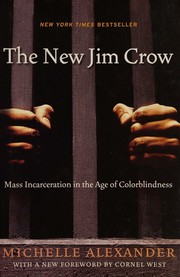
The New Jim Crow
by Michelle Alexander
Alexander's 2010 argument about mass incarceration as racialized social control provides the adult-life endpoint of the pipeline that Kozol documents at its beginning: the children in the underfunded schools that Savage Inequalities describes are the same children who later enter the criminal justice system at rates far higher than their peers in wealthy school districts.
- 4
 Buy on Amazon
Nickel and Dimed
by Barbara Ehrenreich
Ehrenreich's 2001 account of working minimum-wage jobs across America provides the labor-market context for understanding why the educational deficits that Kozol documents translate directly into economic immobility: the children who graduate from the underfunded schools enter a labor market that has nothing to offer them except exactly the low-wage jobs that Ehrenreich describes.
- 5
 Buy on Amazon
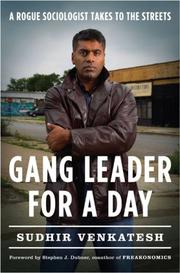
Gang Leader for a Day
by Sudhir Venkatesh
Venkatesh's 2008 sociological memoir about studying a Chicago housing project gang shows what the social economy looks like for young men who have aged out of the schools that Kozol describes without the credentials or skills to enter the mainstream economy — the gang as the labor market of last resort.
- 6Buy on Amazon
White Fragility
by Robin DiAngelo
DiAngelo's 2018 analysis of white defensive reactions to conversations about racism provides the attitudinal complement to Kozol's structural argument: why is the educational inequality that Savage Inequalities documents so persistent, given how clearly it has been described? DiAngelo's analysis of how white fragility derails conversations about structural racism is one answer.
- 7
 Buy on Amazon
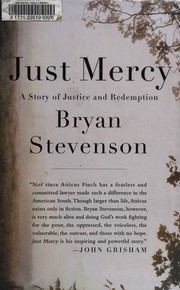
Just Mercy
by Bryan Stevenson
Stevenson's 2014 memoir shows the legal-system endpoint of the pipeline that begins with the schools Kozol describes: the racial and class disparities in capital sentencing that the Equal Justice Initiative addresses are produced by the same structural inequalities in opportunity that Savage Inequalities documents in education.
- 8
 Buy on Amazon
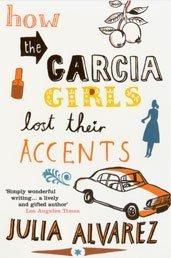
How the García Girls Lost Their Accents
by Julia Alvarez
Alvarez's 1991 debut about four Dominican sisters navigating immigration and identity in New York provides the immigrant family's experience of the same American education system that Kozol critiques — the gap between what public schools promise and what they deliver is experienced very differently depending on which side of the inequality divide you are on.
More Savage Inequalities Resources
More Reading Recommendations
View all →Monthly Newsletter
Never miss a big release
Get the most anticipated upcoming books delivered to your inbox once a month — no spam, no filler.
Monthly only. Unsubscribe anytime.
Book links are Amazon affiliate links. As an Amazon Associate, BookReleaseRadar earns from qualifying purchases at no extra cost to you.