Recommendations
Books Like Push
Best books to read after Push by Sapphire
If Push moved you — Precious's voice developing from barely articulate fragments into poetry, the way the novel holds her suffering without pity or sentimentality, the insistence that a person the world has decided not to see can still see herself — these eight books share its portrait of girls surviving family violence, its engagement with literacy as survival, or its refusal to look away from the American poor.
- 1
 Buy on Amazon
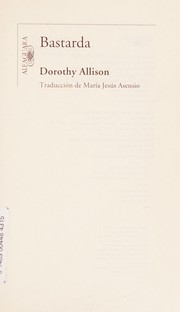
Bastard Out of Carolina
by Dorothy Allison
Bone Boatwright surviving her stepfather Glen's abuse in Greenville, South Carolina — Allison's National Book Award finalist is the most direct companion to Push: the same portrait of a girl surviving extreme family violence, the same engagement with how poverty and class make a girl invisible to the institutions that should protect her, and the same refusal to resolve the mother-daughter relationship into either condemnation or absolution; where Precious is Black and urban, Bone is white and rural, but both novels insist on the same truth about what family violence does to girls
- 2
 Buy on Amazon
A Little Life
by Hanya Yanagihara
Jude St. Francis and the childhood abuse he cannot escape — Yanagihara's novel is the most ambitious engagement with the long-term consequences of childhood sexual abuse in contemporary fiction; where Push compresses Precious's story into the moment of crisis and early recovery, A Little Life extends the consequences across an entire adult life in New York, showing what survival actually looks like across decades; both novels are organized around the question of whether it is possible to live a full human life after what has been done to you
- 3
 Buy on Amazon
The Bluest Eye
by Toni Morrison
Pecola Breedlove, an eleven-year-old Black girl who wants blue eyes — Morrison's debut is the canonical predecessor to Push in African-American fiction: the same portrait of a young Black girl destroyed by a society that has decided she is worthless, the same engagement with how internalized racism compounds the damage of family violence, and the same insistence that a girl whom the world refuses to see nevertheless has an inner life that the novel makes visible
- 4
 Buy on Amazon
Their Eyes Were Watching God
by Zora Neale Hurston
Janie Crawford finding love and identity in a Florida Black community — Hurston's 1937 novel is the literary ancestor that Push most deliberately invokes: the first major novel in American literature to take a Black woman's interior life as its central subject and to use vernacular language as a literary form, which is exactly what Sapphire does with Precious's phonetic, fragmentary narration; Precious's developing literacy is a development of Hurston's project of taking Black vernacular seriously as a literary language
- 5
 Buy on Amazon
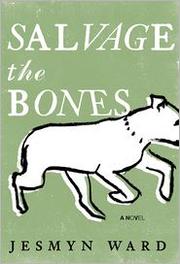
Salvage the Bones
by Jesmyn Ward
Esch Batiste in the twelve days before Hurricane Katrina — Ward's National Book Award winner shares Push's portrait of a young Black girl who is pregnant, poor, and in love with someone who does not acknowledge her, navigating circumstances that seem designed to extinguish her future; where Precious's crisis is the direct violence of her family, Esch's is the indirect violence of poverty and the approaching storm; both novels center on a girl's intelligence and love as the things that survive the catastrophe
- 6
 Buy on Amazon
The Glass Castle
by Jeannette Walls
Jeannette Walls's memoir about growing up with nomadic, neglectful parents — the nonfiction companion to Push: the same portrait of a girl who must raise herself in the absence of adequate parenting, the same engagement with how poverty and family dysfunction combine to make institutional help nearly unavailable, and the same question of how a child makes something from almost nothing; where Precious's parents are actively abusive, Walls's are neglectful, but both books are about the same failure of parental care
- 7
 Buy on Amazon
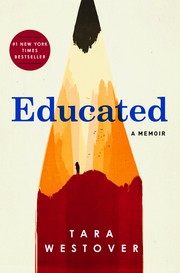
Educated
by Tara Westover
Tara Westover's memoir about educating herself out of a survivalist Idaho family — the nonfiction companion to Push in its portrait of education as a form of self-liberation; where Precious learns to read and write in Ms. Rain's classroom, Westover educates herself through books and eventually Cambridge and Harvard; both stories center on the transformative power of learning as an escape from conditions that seem to make the future impossible
- 8Buy on Amazon
Kindred
by Octavia Butler
Dana Franklin, a Black woman in 1976 Los Angeles, time-traveling to the antebellum South — Butler's novel shares Push's portrait of a Black woman's body as a site of historical and contemporary violence and of a Black woman's survival as an act of resistance to conditions designed to make survival impossible; where Push is contemporary and realistic, Kindred is historical and speculative, but both novels center on the question of how a Black woman survives in a world that treats her body as property
More Push Resources
More Reading Recommendations
View all →Monthly Newsletter
Never miss a big release
Get the most anticipated upcoming books delivered to your inbox once a month — no spam, no filler.
Monthly only. Unsubscribe anytime.
Book links are Amazon affiliate links. As an Amazon Associate, BookReleaseRadar earns from qualifying purchases at no extra cost to you.