Recommendations
Books Like Miss Julie
Best books to read after Miss Julie by August Strindberg
Strindberg's 1888 most radical play — the count's daughter Julie's seduction by the valet Jean on Midsummer's Eve, told without intermission in pure naturalistic technique — is the founding work of expressionistic theater and the most concentrated investigation of class and sexual combat in nineteenth-century drama. These recommendations extend the experience through Strindberg's other major plays, through the Scandinavian theatrical tradition, and through fiction and drama that investigates the relationship between class, desire, and gender.
- 1
 Buy on Amazon
Hedda Gabler
by Henrik Ibsen
The Norwegian contemporary companion — the most important Scandinavian play of the same period. Miss Julie and Hedda Gabler are the two great Scandinavian plays of the 1880s-90s about women trapped by gender and class: Strindberg's Julie is destroyed by her class and desire; Ibsen's Hedda is destroyed by her intelligence and her refusal to be contained. Strindberg hated Ibsen and wrote partly in response to him.
- 2
 Buy on Amazon
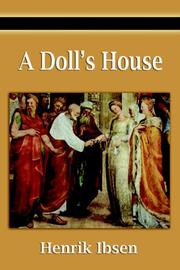
A Doll's House
by Henrik Ibsen
The feminist companion and the explicit target of Strindberg's hostility — Strindberg thought A Doll's House was sentimental about women. Miss Julie is partly Strindberg's answer: a play about a woman's desire that refuses all sympathy and all excuse, that shows the battle of the sexes as a battle that one person must lose. Reading them together illuminates both Ibsen's feminist optimism and Strindberg's combative naturalism.
- 3
 Buy on Amazon
The Father
by August Strindberg
The companion Strindberg play — the Captain's destruction by his wife's manipulation of his uncertainty about his daughter's paternity. The Father and Miss Julie are the two poles of Strindberg's theater of sexual combat: The Father shows the destruction of a man by a woman; Miss Julie shows the destruction of a woman (and possibly a man) in the same combat. Together they constitute the most brutal investigation of gender in nineteenth-century theater.
- 4
 Buy on Amazon
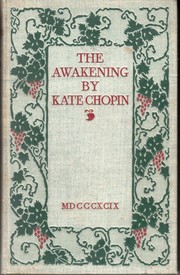
The Awakening
by Kate Chopin
The American contemporary companion — Edna Pontellier's awakening to her desires and to the impossibility of living them. The Awakening and Miss Julie are the two great fin-de-siècle works about a woman's desire and the destruction it causes: Strindberg's Julie is destroyed in a single night; Chopin's Edna over a summer. Both were received as scandalous, and both became central texts in the study of women and desire.
- 5Buy on Amazon
Three Sisters
by Anton Chekhov
The Russian contemporary companion in the tradition of naturalistic theater about women's unfreedom — but the contrast illuminates both: where Strindberg's theater is brutal and organized around combat, Chekhov's is oblique and organized around endurance. Miss Julie and Three Sisters are the two poles of the naturalist tradition's treatment of women: Strindberg's women are destroyed; Chekhov's endure.
- 6Buy on Amazon
A Dream Play
by August Strindberg
The later Strindberg companion — the dream logic play in which Agnes, daughter of the god Indra, descends to earth to experience human suffering. A Dream Play shows Strindberg's development from the brutal naturalism of Miss Julie to the expressionistic dream theater that would influence Artaud, O'Neill, and twentieth-century experimental drama. Reading Miss Julie and A Dream Play together shows the full range of Strindberg's theatrical invention.
- 7Buy on Amazon
The Ghost Sonata
by August Strindberg
Strindberg's late masterwork and the most direct influence on the Theater of the Absurd — the Student's encounter with the ghosts of guilt, debt, and liberation. The Ghost Sonata takes the brutal naturalism of Miss Julie and transforms it into pure expressionism: the same Strindbergian concern with the damage that people inflict on each other, but now rendered in a symbolic mode that would influence Beckett, Ionesco, and the entire postwar avant-garde.
- 8
 Buy on Amazon
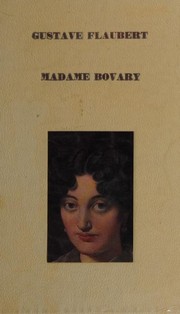
Madame Bovary
by Gustave Flaubert
The French companion and the most important novelistic precursor to Miss Julie — Emma Bovary's romantic fantasies and her destruction within the constraints of her provincial marriage. Both Madame Bovary and Miss Julie are organized around the same formal situation: a woman of exceptional sensibility trapped in a social structure that offers no adequate outlet for her desires, who is destroyed by the gap between what she wants and what is available to her.
More Miss Julie Resources
More Reading Recommendations
View all →Monthly Newsletter
Never miss a big release
Get the most anticipated upcoming books delivered to your inbox once a month — no spam, no filler.
Monthly only. Unsubscribe anytime.
Book links are Amazon affiliate links. As an Amazon Associate, BookReleaseRadar earns from qualifying purchases at no extra cost to you.