Recommendations
Books Like Little Dorrit
Best books to read after Little Dorrit by Charles Dickens
Charles Dickens's most comprehensive social novel (1855-57) uses the Marshalsea Prison and the Circumlocution Office as organizing symbols for a society that systematically imprisons its members — financially, bureaucratically, psychologically. These recommendations extend the experience through Dickens's other late masterworks, through Victorian fiction of financial ruin, and through later fiction that inherits Dickens's interest in institutional oppression.
- 1
 Buy on Amazon
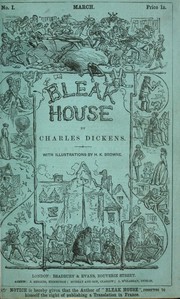
Bleak House
by Charles Dickens
The closest companion to Little Dorrit in Dickens's mature output — both use an institutional symbol (Chancery vs. the Circumlocution Office) to organize a comprehensive portrait of English society's systematic failures; Bleak House is somewhat more comic and more immediately gripping, Little Dorrit more sustained in its bitterness.
- 2
 Buy on Amazon
Our Mutual Friend
by Charles Dickens
Dickens's final completed novel continues the Little Dorrit analysis of money and identity — the Veneerings' false social position and the Lammles' predatory marriage directly recall Little Dorrit's portrait of Merdle and Mrs. Merdle; the fullest development of the themes Little Dorrit established.
- 3
 Buy on Amazon
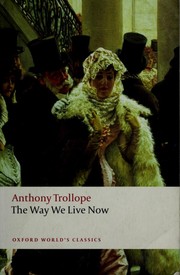
The Way We Live Now
by Anthony Trollope
Trollope's great financial satire of 1875 was directly shaped by Dickens's Little Dorrit — the fraudulent financier Augustus Melmotte is the Merdle figure developed at greater length, and the novel's analysis of how society defers to apparent wealth regardless of its source echoes Little Dorrit's most devastating social observation.
- 4
 Buy on Amazon
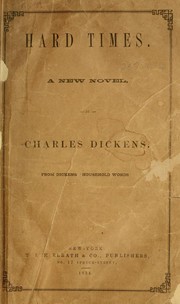
Hard Times
by Charles Dickens
Written immediately before Little Dorrit and sharing its focus on the social systems that confine and diminish human life — Hard Times attacks the Utilitarian-industrial complex; Little Dorrit attacks the bureaucratic-financial complex; together they represent the fullest statement of Dickens's mature political vision.
- 5
 Buy on Amazon
The Trial
by Franz Kafka
Kafka's novel about Josef K.'s arrest and prosecution by an authority that never identifies itself or its charges is the twentieth-century inheritor of the Circumlocution Office — the bureaucratic nightmare that destroys individuals through the sheer impenetrability of its procedures; Dickens anticipated Kafka's vision by eighty years.
- 6
 Buy on Amazon
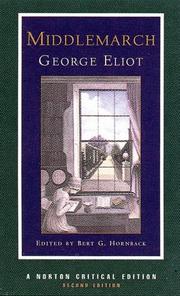
Middlemarch
by George Eliot
Eliot's masterwork shares Little Dorrit's interest in how institutional and social structures imprison individuals — Dorothea Brooke's marriage to Casaubon and Lydgate's professional frustrations recall Arthur Clennam's entrapment in his mother's house; both novels are organized around the prison of social expectation.
- 7Buy on Amazon
The Debtor
by Mary E. Wilkins Freeman
An American novel of the same period that shares Little Dorrit's interest in the psychology of debt and financial ruin — how a family maintains dignity and social pretense while the financial floor gives way beneath them; the American equivalent of Dickens's analysis of genteel poverty.
- 8
 Buy on Amazon
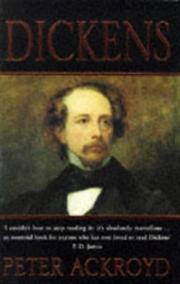
Dickens
by Peter Ackroyd
Ackroyd's massive biography of Dickens (1990) is the best context for reading Little Dorrit — it explains the autobiographical sources (the Marshalsea, John Dickens's imprisonment, young Charles's factory work) that give the novel its emotional depth, and shows how Dickens transformed personal shame into social critique.
More Little Dorrit Resources
More Reading Recommendations
View all →Monthly Newsletter
Never miss a big release
Get the most anticipated upcoming books delivered to your inbox once a month — no spam, no filler.
Monthly only. Unsubscribe anytime.
Book links are Amazon affiliate links. As an Amazon Associate, BookReleaseRadar earns from qualifying purchases at no extra cost to you.