Recommendations
Books Like Le Bal du comte d'Orgel by Raymond Radiguet
Radiguet's posthumous masterpiece — La Princesse de Clèves for the 1920s
Radiguet's 1924 posthumous novel — an aristocratic couple, a young man in love with the Count's wife Anne, and the Count whose ambiguous omniscience is the novel's most extraordinary achievement; a classical updating of Lafayette for 1920s Paris, prepared for publication by Cocteau.
- 1
 Buy on Amazon
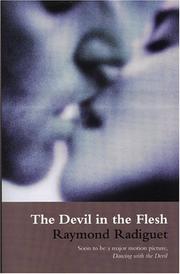
Le Diable au corps
by Raymond Radiguet
The first novel (1923) — read before Le Bal du comte d'Orgel to see Radiguet's development; the comparison between the two novels, both written before he was 20, is one of the most extraordinary in French literary history.
- 2Buy on Amazon
La Princesse de Clèves
by Madame de Lafayette
The explicit formal model — the seventeenth-century novel that Le Bal du comte d'Orgel deliberately updates; reading the two together shows exactly what Radiguet took from Lafayette (psychological precision, classical economy, the theme of passion resisted) and what he added (the ambiguous omniscient Count, the 1920s Paris setting).
- 3
 Buy on Amazon
Les Enfants terribles
by Jean Cocteau
Cocteau's novel (1929) written after Radiguet's death and under the influence of Le Bal du comte d'Orgel — reading the two works together shows the difference in sensibility between Cocteau (mythological, intense, autobiographical) and the Radiguet he loved and lost (classical, ironic, controlled).
- 4
 Buy on Amazon
Les Liaisons dangereuses
by Pierre Choderlos de Laclos
The eighteenth-century epistolary novel of aristocratic social manipulation (1782) — the Count d'Orgel has something of Valmont's absolute social grace; comparing the two gives the tradition of the French aristocratic fiction of hidden desire.
- 5
 Buy on Amazon
Les Faux-Monnayeurs
by André Gide
Gide's contemporaneous self-reflexive novel (1925) is the major interwar novel to be read alongside Le Bal du comte d'Orgel — both treat the intersection of desire and social form with formal precision, but Gide's treatment is expansive and self-conscious where Radiguet's is compressed and classical.
- 6
 Buy on Amazon
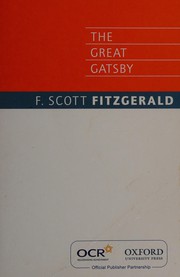
The Great Gatsby
by F. Scott Fitzgerald
Fitzgerald's 1925 novel was published the same year as Le Bal du comte d'Orgel's French publication, and both novels portrait the social world of the 1920s as a space where desire and social form collide — Fitzgerald's American dream as the Radiguet's French aristocratic courtesy; reading both together gives the range of the decade.
- 7
 Buy on Amazon
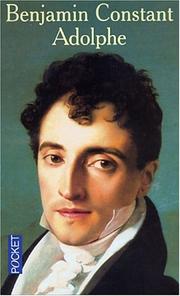
Adolphe
by Benjamin Constant
The Romantic confessional novel (1816) is the other formal ancestor alongside La Princesse de Clèves — both Radiguet novels descend from the tradition of psychological precision in the narrative of impossible love; Adolphe's retrospective narration has the same ironic quality as Le Diable au corps.
- 8
 Buy on Amazon
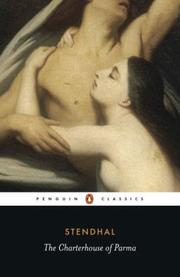
La Chartreuse de Parme
by Stendhal
Stendhal's aristocratic Italian novel (1839) is the major French novel of social form and hidden passion that Radiguet is inheriting — Fabrice's world of courts and intrigue, where everything matters and nothing is said directly, is the formal ancestor of the world that Count d'Orgel's Ball depicts.
More Le Bal du comte d'Orgel by Raymond Radiguet Resources
More Reading Recommendations
View all →Monthly Newsletter
Never miss a big release
Get the most anticipated upcoming books delivered to your inbox once a month — no spam, no filler.
Monthly only. Unsubscribe anytime.
Book links are Amazon affiliate links. As an Amazon Associate, BookReleaseRadar earns from qualifying purchases at no extra cost to you.