Recommendations
Books Like La Nouvelle Héloïse
Best books to read after La Nouvelle Héloïse by Rousseau
Rousseau's vast epistolary novel Julie, ou la Nouvelle Héloïse (1761) was the most widely read novel of the eighteenth century — the story of the forbidden love of the tutor Saint-Preux for his aristocratic student Julie, her marriage to the older Wolmar, and the strange moral architecture they construct together. The founding text of French sentimental fiction, it shaped the emotional culture of the pre-Revolutionary generation and directly influenced Chateaubriand, Constant, and George Sand.
- 1
 Buy on Amazon
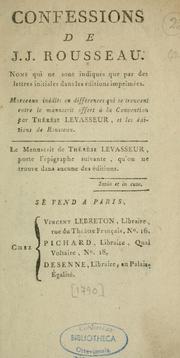
Les Confessions
by Jean-Jacques Rousseau
Rousseau's autobiography — the essential companion for understanding the autobiographical dimensions of La Nouvelle Héloïse. Julie d'Étange is the idealized version of Mme de Warens and Sophie d'Houdetot, and the autobiography explains the emotional and biographical sources of the novel.
- 2
 Buy on Amazon
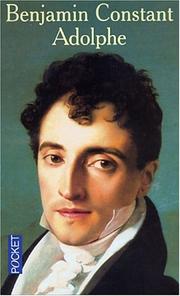
Adolphe
by Benjamin Constant
The most important immediate successor in the French sentimental tradition — Constant's compressed, ironic analysis of an inability to love is what the Romantic generation made of the passionate intensity of La Nouvelle Héloïse, transformed from a vast moral panorama to a short psychological nightmare.
- 3
 Buy on Amazon
Clarissa
by Samuel Richardson
Richardson's English epistolary novel is the direct model for La Nouvelle Héloïse — Rousseau acknowledged the debt, and the comparison shows what he transformed from Richardson's Puritan moral economy into a French secular one.
- 4
 Buy on Amazon
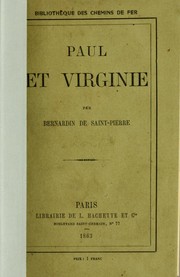
Paul et Virginie
by Bernardin de Saint-Pierre
The most popular immediate French successor — Bernardin's novel of two children raised in natural innocence on Mauritius and destroyed by the corruptions of European society is the most direct descendant of La Nouvelle Héloïse's celebration of natural virtue against social corruption.
- 5Buy on Amazon
La Princesse de Clèves
by Madame de Lafayette
The essential predecessor in the French tradition of the woman who analyzes her own desire — Lafayette's princess chooses virtue over passion with a precision that La Nouvelle Héloïse's Julie inherits and transforms into a vast moral architecture.
- 6
 Buy on Amazon
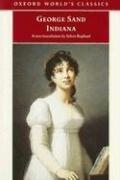
Indiana
by George Sand
George Sand's first novel is the most important nineteenth-century French successor in the tradition of the woman who must choose between passion and the institutions that constrain her — Indiana inherits the emotional intensity and the moral ambition of La Nouvelle Héloïse.
- 7
 Buy on Amazon
Manon Lescaut
by Abbé Prévost
The contemporary French parallel in the novel of fatal passion — where Rousseau's novel celebrates the passion that Julie must renounce, Prévost's shows the passion that the Chevalier des Grieux cannot renounce, and the comparison shows the range of Enlightenment attitudes toward desire.
- 8
 Buy on Amazon
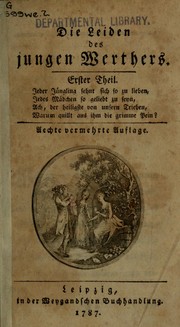
Werther
by Johann Wolfgang von Goethe
Goethe's epistolary novel of the young man who cannot survive the impossibility of his love — the most important German response to La Nouvelle Héloïse's emotional intensity, and the work that showed Europe what the Rousseauvian tradition of sentimental passion could become.
More La Nouvelle Héloïse Resources
More Reading Recommendations
View all →Monthly Newsletter
Never miss a big release
Get the most anticipated upcoming books delivered to your inbox once a month — no spam, no filler.
Monthly only. Unsubscribe anytime.
Book links are Amazon affiliate links. As an Amazon Associate, BookReleaseRadar earns from qualifying purchases at no extra cost to you.