Recommendations
Books Like La Mare au Diable
Best books to read after La Mare au Diable by George Sand
Readers drawn to La Mare au Diable's pastoral beauty, precise documentation of rural Berry life, and Sand's democratic fiction will find her other pastoral novels and the tradition of French and European literature about the rural poor.
- 1
 Buy on Amazon
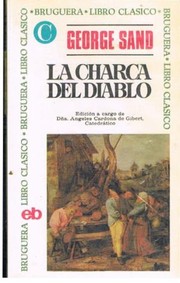
François le Champi
by George Sand
The companion pastoral novel that Proust recalled his mother reading to him in the famous bedtime scene of Swann's Way — Sand's 1848 story of a foundling raised by a miller's wife and their complicated love is the most formally accomplished of the Berry pastoral novels and the one with the most psychologically ambiguous central relationship; the Proustian connection makes it the most famous of Sand's pastoral novels in literary history.
- 2
 Buy on Amazon
La Petite Fadette
by George Sand
The third pastoral novel and the most structurally complex — twin brothers divided by a girl from the village margins; the novel explores the theme of doubles, jealousy, and the integration of the social outsider that is central to all the pastoral novels but given its most deliberate formal treatment here; the paired reading of La Mare au Diable and La Petite Fadette shows the range of Sand's pastoral project.
- 3
 Buy on Amazon
Indiana
by George Sand
Sand's first novel and the Romantic companion to the pastoral novels — Indiana's portrait of a woman trapped in an unhappy colonial marriage is the passionate, suffering version of Sand's fiction before she turned to the rural Berry world; reading Indiana and La Mare au Diable together shows the deliberate change of register that Sand made in the 1840s, from Romantic self-expression to democratic pastoral.
- 4
 Buy on Amazon
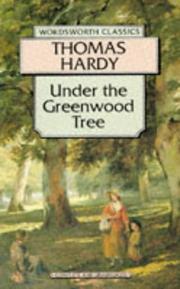
Under the Greenwood Tree
by Thomas Hardy
The English companion in the tradition of the pastoral novel that documents a disappearing rural world — Hardy's 1872 novel about the replacement of the Mellstock quire by an organ is the most direct English equivalent to Sand's Berry pastoral; both writers document with ethnographic precision the specific customs and social structures of rural communities threatened by modernization, and both write from a position of affectionate insider knowledge.
- 5
 Buy on Amazon
Germinal
by Émile Zola
The great French companion novel about the rural and working poor — Zola's 1885 novel about a coal mining community in northern France is the naturalist response to Sand's pastoral idealism; where Sand depicts rural poverty with democratic sympathy, Zola depicts industrial poverty with scientific exactness; reading them together defines the range of nineteenth-century French fiction about the lives of workers.
- 6
 Buy on Amazon
The Mayor of Casterbridge
by Thomas Hardy
The Hardy companion in the tradition of the rural world under economic and social transformation — where La Mare au Diable is set in a Berry world still governed by agricultural community, Hardy's Casterbridge shows the same agricultural world in collision with modern economic forces; both writers are elegists of the rural England and France that industrialization was dissolving.
- 7
 Buy on Amazon
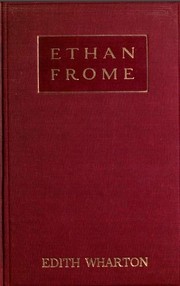
Ethan Frome
by Edith Wharton
The American companion in the tradition of the tragic rural love story — Wharton's 1911 novella about a farmer trapped in a loveless marriage who falls in love with his wife's cousin is the American version of the rural romantic tragedy that La Mare au Diable resolves happily; the contrast between Sand's democratic pastoral optimism and Wharton's New England Calvinist bleakness is one of the sharpest contrasts in the tradition of rural fiction.
- 8
 Buy on Amazon
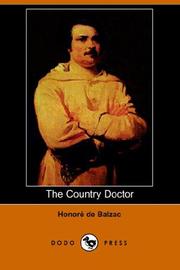
The Country Doctor
by Honoré de Balzac
The Balzac companion in the tradition of the rural French world — Balzac's 1833 novel about a doctor who transforms a mountain community is the political-economic analysis of rural life that Sand's pastoral novels deliberately avoid; where Sand gives the rural poor dignity and interiority without analyzing the economic conditions of their poverty, Balzac makes those conditions the novel's explicit subject; reading both illuminates what each writer chose to show and what they chose to omit.
More La Mare au Diable Resources
More Reading Recommendations
View all →Monthly Newsletter
Never miss a big release
Get the most anticipated upcoming books delivered to your inbox once a month — no spam, no filler.
Monthly only. Unsubscribe anytime.
Book links are Amazon affiliate links. As an Amazon Associate, BookReleaseRadar earns from qualifying purchases at no extra cost to you.