Recommendations
Books Like La Fille Élisa
Best books to read after La Fille Élisa by Edmond de Goncourt
If the prison exposé at the center of La Fille Élisa — the silent system's systematic destruction of Élisa's mind through solitary confinement, the naturalist indictment demanding penal reform — moved you, these eight works share its territory: the literature of imprisonment and institutional destruction, the naturalist exposé as a political form, and the tradition of the working-class woman in French fiction.
- 1Buy on Amazon
Germinie Lacerteux
by Edmond and Jules de Goncourt
The founding Goncourt Naturalist novel — the essential companion that shows the same analytical precision about working-class female experience without the prison-exposé frame: the two novels together define the Goncourts' treatment of the working-class woman.
- 2
 Buy on Amazon
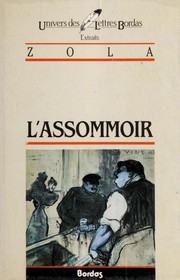
L'Assommoir
by Émile Zola
Published the same year as La Fille Élisa and the companion Naturalist study of the working-class woman's destruction by poverty and social circumstance — where Élisa is destroyed by the prison system, Gervaise is destroyed by alcoholism and the poverty trap.
- 3Buy on Amazon
Memoirs from the House of the Dead
by Fyodor Dostoevsky
Dostoevsky's account of his years in the Siberian prison camp is the essential predecessor in the literature of prison experience: the systematic documentation of penal conditions and their effects on the imprisoned, from the prisoner's own perspective rather than the outside observer's.
- 4
 Buy on Amazon
Nana
by Émile Zola
Zola's portrait of a woman who moves through the same social world as Élisa — but from the opposite direction, through talent and beauty rather than poverty — and who is also destroyed by the same social system that La Fille Élisa indicts.
- 5Buy on Amazon
Sœur Philomène
by Edmond and Jules de Goncourt
The companion Goncourt institutional study: the hospital world rather than the prison world, the same documentary method applied to a different total institution.
- 6
 Buy on Amazon
The Inspector General
by Nikolai Gogol
Gogol's satirical exposé of provincial bureaucratic corruption is the most important predecessor in the tradition of the fictional exposé as a political instrument — the literary form that La Fille Élisa adapts to the prison-reform cause.
- 7
 Buy on Amazon
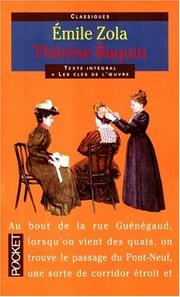
Thérèse Raquin
by Émile Zola
Zola's earlier study of the same social world — a woman who commits a crime and is destroyed by her guilt — provides the essential comparison: where Zola focuses on psychological consequences of the crime, Goncourt focuses on institutional consequences of the conviction.
- 8
 Buy on Amazon
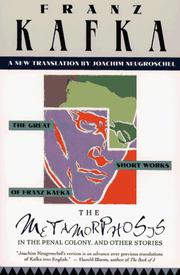
In the Penal Colony
by Franz Kafka
Kafka's allegory of a torture machine that inscribes the law on the prisoner's body is the most important twentieth-century extension of the critique that La Fille Élisa makes of the silent system: both are indictments of punishment systems that destroy the person in the name of reforming them.
More La Fille Élisa Resources
More Reading Recommendations
View all →Monthly Newsletter
Never miss a big release
Get the most anticipated upcoming books delivered to your inbox once a month — no spam, no filler.
Monthly only. Unsubscribe anytime.
Book links are Amazon affiliate links. As an Amazon Associate, BookReleaseRadar earns from qualifying purchases at no extra cost to you.