Recommendations
Books Like Kokoro
Best books to read after Kokoro by Natsume Sōseki
Kokoro is the central novel of the Meiji period and one of the most profound Japanese novels ever written — the story of a young man's friendship with the enigmatic Sensei and the devastating confession that arrives after Sensei's death. If the novel's psychological depth and its portrait of a man who cannot reconcile traditional loyalty with modern individualism moved you, these books share its concern with the collision of traditional and modern values, its interest in what modernity costs the people it forms, and its willingness to follow the implications of alienation to their furthest reach.
- 1Buy on Amazon
Botchan
by Natsume Sōseki
The essential companion in Sōseki's satirical mode — a young Tokyo man teaching in a provincial school; where Kokoro is psychologically devastating, Botchan is funny and warm; reading both gives the full range of Sōseki's genius and the contrast between his two most celebrated works
- 2Buy on Amazon
The Gate
by Natsume Sōseki
The third novel of Sōseki's love trilogy (after Sanshiro and And Then) — a married couple living quietly in Tokyo with a secret in their past; the most directly companion to Kokoro in tone, organized around the same melancholy of people who cannot reconcile their past with their present
- 3Buy on Amazon
Snow Country
by Yasunari Kawabata
The essential companion in Japanese literary fiction organized around impossible love — Shimamura and Komako in the mountain snow; where Kokoro is organized around the psychology of guilt and loyalty, Snow Country is organized around the aesthetics of beauty and transience; together they give the range of what the Japanese literary novel can do with love and impossibility
- 4Buy on Amazon
No Longer Human
by Osamu Dazai
The essential dark continuation of the Meiji-era tradition Sōseki established — Yōzō's confessional memoir of his inability to fit into human society; where Sōseki's Sensei is a Meiji-era man destroyed by the collision of traditional and modern values, Dazai's Yōzō is a postwar man destroyed by his fundamental inability to connect with other human beings; both are organized around the alienated intellectual who cannot survive in the world he inhabits
- 5Buy on Amazon
The Master of Go
by Yasunari Kawabata
Kawabata's novel about a legendary Go player's final game — the essential parallel to Kokoro in the tradition of the Japanese novel that uses an older man's relationship to a traditional art as a vehicle for meditating on the passing of the Meiji world; where Sōseki's Sensei dies on the day of the Emperor Meiji's funeral, Kawabata's Master dies while playing a game that marks the transition from the old world to the new
- 6
 Buy on Amazon
Silence
by Shūsaku Endō
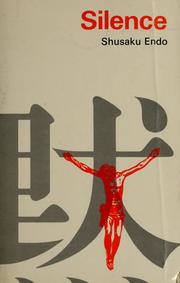
Endō's novel about a Jesuit priest in seventeenth-century Japan who is forced to apostatize by watching his converts tortured — the essential Japanese Catholic novel and an important parallel to Kokoro in the tradition of the Japanese novel about faith, loyalty, and the impossible demands they make; where Sōseki's Sensei commits suicide in loyalty to the Meiji Emperor, Endō's Rodrigues tramples on the image of Christ in loyalty to his converts' lives
- 7
 Buy on Amazon
The Remains of the Day
by Kazuo Ishiguro
Ishiguro's novel about a butler's gradual recognition of how his life has been shaped by loyalty to a wrong cause — the most important parallel in the English-language tradition to Kokoro's portrait of a man destroyed by loyalty to values that the world has moved past; both are organized around the gap between what a man believed he was loyal to and what his loyalty actually served
- 8Buy on Amazon
Norwegian Wood
by Haruki Murakami
Murakami's most direct novel — the essential modern Japanese parallel to Kokoro's portrait of a young man's formative friendship; where Sōseki's novel is organized around the relationship between a young man and an older one who holds a devastating secret, Murakami's is organized around the relationship between a young man and the ghost of his dead friend's girlfriend; both are organized around grief and the difficulty of moving forward
More Kokoro Resources
More Reading Recommendations
View all →Monthly Newsletter
Never miss a big release
Get the most anticipated upcoming books delivered to your inbox once a month — no spam, no filler.
Monthly only. Unsubscribe anytime.
Book links are Amazon affiliate links. As an Amazon Associate, BookReleaseRadar earns from qualifying purchases at no extra cost to you.