Recommendations
Books Like Joseph Andrews
Best books to read after Joseph Andrews by Henry Fielding
Henry Fielding's Joseph Andrews is the first novel in the tradition he founded — a parody of Richardson's Pamela that became its own thing, featuring the inimitable Parson Adams. These recommendations extend the experience through Fielding's other novels and through the tradition of the English comic novel that Joseph Andrews inaugurated.
- 1
 Buy on Amazon
Tom Jones
by Henry Fielding
Fielding's 1749 masterwork — the ambitious successor to Joseph Andrews, more elaborate in plot and more comprehensive in its social portrait. If Joseph Andrews is the sketch, Tom Jones is the painting. The same narrative voice, the same moral vision, and the same Parson Adams type in the character of Tom himself.
- 2
 Buy on Amazon
Shamela
by Henry Fielding
Fielding's 1741 direct parody of Pamela — the immediate predecessor to Joseph Andrews in Fielding's anti-Richardson campaign. Shorter and more concentrated than Joseph Andrews, and the most direct statement of what Fielding found hypocritical about Richardson's moral program.
- 3
 Buy on Amazon
Pamela
by Samuel Richardson
Richardson's 1740 novel that provoked Joseph Andrews — the text that Fielding was arguing against in almost every scene of the first volume. Reading both novels together shows one of the great debates in literary history about what fiction should do and how virtue should be represented.
- 4
 Buy on Amazon
Don Quixote
by Miguel de Cervantes
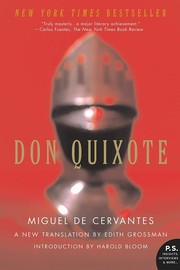
Fielding acknowledged Cervantes as his principal model and defined his own work in Cervantes's terms. The parallels between Don Quixote and Parson Adams are deliberate — both are men of learning who navigate the world with a combination of genuine virtue and magnificent impracticality.
- 5
 Buy on Amazon
Humphry Clinker
by Tobias Smollett
Smollett's 1771 epistolary tour of Britain is the immediate successor to Joseph Andrews in the English comic novel tradition — the same affection for character, the same pleasure in the variety of the English social world, and the same comic road-trip structure.
- 6
 Buy on Amazon
Vanity Fair
by William Makepeace Thackeray
Thackeray's 1848 novel inherits Fielding's narrator and his ironically affectionate view of human weakness — the same digressive, self-aware storytelling voice, the same willingness to show characters' flaws without condemning them, and the same panoramic social ambition.
- 7
 Buy on Amazon
Pickwick Papers
by Charles Dickens
Dickens's first novel is organized around a Parson Adams type — Mr. Pickwick, a benevolent, innocent man who navigates a world more complicated than he knows — and the episodic adventure structure of Joseph Andrews. Reading Joseph Andrews and Pickwick Papers together shows the direct line from Fielding to Dickens.
- 8
 Buy on Amazon
Roderick Random
by Tobias Smollett
Smollett's 1748 picaresque novel — published the same year as Clarissa — is the rougher, more satirical counterpart to Joseph Andrews in the mid-century English novel: the same road-trip structure and the same episodic encounters with social types, but angrier and less genial than Fielding.
More Joseph Andrews Resources
More Reading Recommendations
View all →Monthly Newsletter
Never miss a big release
Get the most anticipated upcoming books delivered to your inbox once a month — no spam, no filler.
Monthly only. Unsubscribe anytime.
Book links are Amazon affiliate links. As an Amazon Associate, BookReleaseRadar earns from qualifying purchases at no extra cost to you.