Recommendations
Books Like Gulliver's Travels
Best books to read after Gulliver's Travels by Jonathan Swift
Readers who love Gulliver's Travels by Jonathan Swift are drawn to its combination of the most sustained satirical attack on human nature in English literature, the four-book structure that moves from the comic to the increasingly disturbing, and the Houyhnhnm conclusion that has divided readers since 1726. They want works that deal with the satirical investigation of human delusion and political hypocrisy, the philosophical tale, and the tradition of the satirical journey through which the traveler's own civilization is exposed as absurd.
- 1
 Buy on Amazon
Candide
by Voltaire
Voltaire's companion philosophical tale — Candide's journey through a catastrophic world. The companion as the French Enlightenment version of the same satirical investigation: both are picaresque journeys organized around the satirical exposure of human delusion, political hypocrisy, and philosophical self-congratulation
- 2
 Buy on Amazon
A Modest Proposal
by Jonathan Swift
The companion essay — the proposal to eat Irish babies. The companion as the most concentrated statement of the same satire: where Gulliver's Travels satirizes human nature through a travel narrative, A Modest Proposal satirizes English exploitation of Ireland through the frame of an economic proposal
- 3
 Buy on Amazon
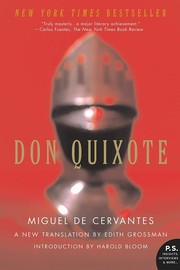
Don Quixote
by Miguel de Cervantes
Cervantes's companion investigation of the man whose imagination transforms the world he lives in. The companion as the predecessor: both are picaresque journeys organized around the gap between the protagonist's perception and reality — though where Don Quixote's delusion is noble, Gulliver's disillusionment is total
- 4
 Buy on Amazon
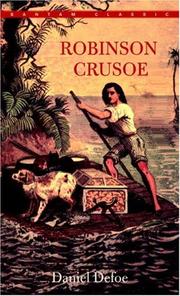
Robinson Crusoe
by Daniel Defoe
Defoe's companion — the original travel narrative that Swift satirizes. The companion as the predecessor and the target: Gulliver's Travels uses the conventions of travel narratives like Robinson Crusoe to satirize the same genre — Gulliver's confident, plain-prose narrator is a satirical version of Defoe's
- 5
 Buy on Amazon
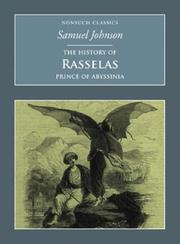
Rasselas
by Samuel Johnson
Johnson's companion philosophical tale — Rasselas's search for the happy life. The companion as the eighteenth-century philosophical tale in its most different mode: where Swift's satire is savage and disgusted, Johnson's is melancholy and resigned, but both are organized around the same disillusionment with human happiness
- 6
 Buy on Amazon
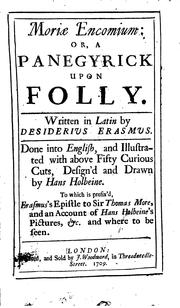
The Praise of Folly
by Desiderius Erasmus
Erasmus's companion — Folly's praise of the foolishness that sustains human life. The companion as the Renaissance predecessor: where Swift's satire ends in disgust at human nature, Erasmus's ends in the paradox that it is Folly (self-deception, enthusiasm, sentiment) that makes human life possible and even beautiful
- 7
 Buy on Amazon
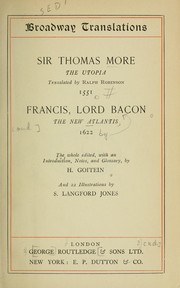
Utopia
by Thomas More
More's companion investigation of the ideal society. The companion as the predecessor of the utopian tradition: Gulliver's Travels uses the utopian form from More through Bacon, but twists it — the Houyhnhnms' rational society is a utopia that indicts human nature rather than European political corruption
- 8
 Buy on Amazon
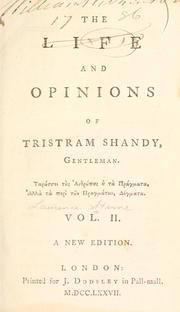
Tristram Shandy
by Laurence Sterne
Sterne's companion — the formal radical experiment of the eighteenth century. The companion as the period's other great formal innovator: where Swift's radical move is satirical (the travel narrative that exposes human nature), Sterne's is formal (the autobiography that cannot begin), and together they show the range of the eighteenth-century novel's ambition
More Gulliver's Travels Resources
More Reading Recommendations
View all →Monthly Newsletter
Never miss a big release
Get the most anticipated upcoming books delivered to your inbox once a month — no spam, no filler.
Monthly only. Unsubscribe anytime.
Book links are Amazon affiliate links. As an Amazon Associate, BookReleaseRadar earns from qualifying purchases at no extra cost to you.