Recommendations
Books Like Germinie Lacerteux
Best books to read after Germinie Lacerteux by the Goncourt Brothers
The Goncourt brothers' founding document of French naturalism (1865) presents the secret life of their servant Rose Malingre — transformed into Germinie Lacerteux — as a case study in working-class degradation, insisting on the same literary seriousness for the poor as for the aristocracy. These recommendations extend the experience through the naturalist movement the Goncourts founded, through other fiction about servants and working-class lives, and through novels that applied their documentary method to various social strata.
- 1
 Buy on Amazon
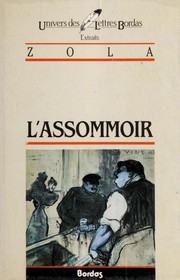
L'Assommoir
by Émile Zola
The novel that most directly extends the Goncourts' project in Germinie Lacerteux: L'Assommoir (1877) takes the Goncourts' insistence that the poor deserve serious literary attention and scales it to the full naturalist program of the Rougon-Macquart cycle. Zola acknowledged the Goncourts as pioneers, and L'Assommoir is the fullest realization of what Germinie Lacerteux promised.
- 2
 Buy on Amazon
Germinal
by Émile Zola
The greatest novel to emerge from the tradition Germinie Lacerteux founded: where the Goncourts depicted one servant's hidden degradation in Paris, Zola depicts an entire mining community's collective suffering in Germinal. Both novels insist on the full humanity of the poor and on the documentary responsibility of the novelist to observe what polite fiction would rather ignore.
- 3
 Buy on Amazon
The Ragged Trousered Philanthropists
by Robert Tressell
The English equivalent of Germinie Lacerteux's project, on an epic scale: Tressell's socialist novel about house painters in Edwardian England insists on the same seriousness for working-class lives that the Goncourts demanded in their 1865 preface. Both books were written by people who knew their subjects from the inside and who were driven by the same conviction that the poor deserved a literature as serious as their suffering.
- 4
 Buy on Amazon
Nana
by Émile Zola
Zola's portrait of the courtesan Anna Coupeau is the Rougon-Macquart novel most directly descended from Germinie Lacerteux's interest in female working-class degradation: Nana, like Germinie, is a woman from the lower orders whose sexuality and social position combine to destroy her. Both novels are studies in the kinds of destruction available to working-class women in nineteenth-century Paris.
- 5Buy on Amazon
Renée Mauperin
by Edmond and Jules de Goncourt
The Goncourt brothers' most accessible novel (1864) and the direct companion to Germinie Lacerteux: where Germinie is set in the working class, Renée Mauperin depicts the bourgeoisie — a young woman's rebellion against her family's social calculations. Reading both together gives you the full range of the Goncourts' social observation, from servant quarters to drawing rooms.
- 6
 Buy on Amazon
Thérèse Raquin
by Émile Zola
Zola's early novel (1867) is the direct response to Germinie Lacerteux — published two years after the Goncourts and demonstrating the same naturalist principles in a psychological thriller about adultery and murder. Both novels insist on the documentary seriousness of lower-class sexuality and violence, and both were attacked for immorality by critics who missed the point.
- 7
 Buy on Amazon
Maggie: A Girl of the Streets
by Stephen Crane
The American naturalist novella that most directly parallels Germinie Lacerteux: Crane's story of a young woman in the New York Bowery slums destroyed by her environment is the American translation of the Goncourts' Paris servant narrative. Crane had read the French naturalists, and Maggie is the most explicit American attempt to do for the American working class what the Goncourts did for the French.
- 8
 Buy on Amazon
Sister Carrie
by Theodore Dreiser
Dreiser's first novel is the fullest American extension of the Goncourts' naturalist program: where the Goncourts depicted a servant's hidden degradation, Dreiser depicts a young woman's rise and her lover's parallel decline with the same documentary precision and moral non-judgment that the Goncourts advocated in their preface to Germinie Lacerteux.
More Germinie Lacerteux Resources
More Reading Recommendations
View all →Monthly Newsletter
Never miss a big release
Get the most anticipated upcoming books delivered to your inbox once a month — no spam, no filler.
Monthly only. Unsubscribe anytime.
Book links are Amazon affiliate links. As an Amazon Associate, BookReleaseRadar earns from qualifying purchases at no extra cost to you.