Recommendations
Books Like Cosmopolis
Best books to read after Cosmopolis by Bourget
Readers who respond to Cosmopolis's portrait of cosmopolitan expatriate society in Rome, Bourget's analysis of moral rootlessness, and the international novel genre will find the wider tradition of French and Anglo-American international fiction.
- 1
 Buy on Amazon
Le Disciple
by Paul Bourget
Le Disciple (1889) is the essential predecessor of Cosmopolis: the moral analysis of philosophical determinism in Le Disciple becomes the moral analysis of geographical and cultural rootlessness in Cosmopolis — the same conservative Catholic argument applied to different forms of detachment from a sustaining moral tradition.
- 2
 Buy on Amazon
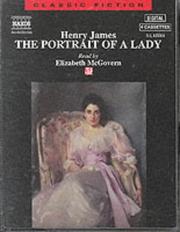
The Portrait of a Lady
by Henry James
James's 1881 international novel — an American woman in Florence navigating European culture and social convention — is the most important precursor of Cosmopolis's international novel formula: both novels use the clash between American innocence (or freedom from tradition) and European sophistication (or moral complexity) as the narrative engine.
- 3
 Buy on Amazon
The Wings of the Dove
by Henry James
James's 1902 novel, set partly in Venice, shows the international novel genre developed to its full maturity by an author who read Cosmopolis and engaged with Bourget's analysis of moral rootlessness in the cosmopolitan world: both novels use the dying heiress (Milly Theale in James, Fanny Hafner in Bourget) as the center of a moral drama about cynicism, desire, and social manipulation.
- 4
 Buy on Amazon
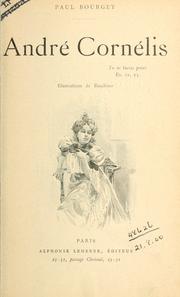
André Cornélis
by Paul Bourget
André Cornélis (1887) shows Bourget's psychological method in its most narrative form — the psychological thriller — and provides an essential contrast with the social panorama of Cosmopolis: reading both novels together shows the range of Bourget's fictional forms from the thriller to the social panorama.
- 5
 Buy on Amazon
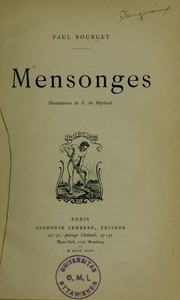
Mensonges
by Paul Bourget
Mensonges (1887) is the Parisian social panorama that Cosmopolis extends to the international setting: the lying and moral rootlessness that Mensonges diagnoses in Paris recur in a more extreme form in the cosmopolitan world of Cosmopolis, where the absence of any national cultural framework makes social lying the only available form of social existence.
- 6
 Buy on Amazon
What Maisie Knew
by Henry James
James's 1897 novel about a child navigating the cosmopolitan world of her divorced parents and their lovers shows the same social world as Cosmopolis (hotels, resorts, rootless international society) from the perspective of an innocent — the comparison shows what Bourget's moralizing analysis and James's phenomenological method each illuminate about the same social reality.
- 7
 Buy on Amazon
Les Déracinés
by Maurice Barrès
Barrès's 1897 nationalist novel makes the same conservative argument as Cosmopolis about the consequences of rootlessness: where Cosmopolis shows geographical rootlessness (the expatriates who have left their native cultures), Les Déracinés shows cultural rootlessness (the young Lorrainers uprooted from their provincial culture by abstract education) — the two novels together constitute the major French conservative analyses of the uprooting problem.
- 8
 Buy on Amazon
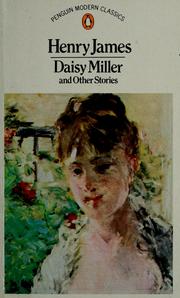
Daisy Miller
by Henry James
James's 1878 novella — the American girl in Rome whose freedom reads as innocence or vulgarity depending on the observer — is the earliest and most economical statement of the international novel subject that Cosmopolis develops into a full social panorama: reading both shows the full arc of the genre from novella to novel.
More Cosmopolis Resources
More Reading Recommendations
View all →Monthly Newsletter
Never miss a big release
Get the most anticipated upcoming books delivered to your inbox once a month — no spam, no filler.
Monthly only. Unsubscribe anytime.
Book links are Amazon affiliate links. As an Amazon Associate, BookReleaseRadar earns from qualifying purchases at no extra cost to you.