Recommendations
Books Like The Confession of a Child of the Century
Best books to read after The Confession of a Child of the Century by Alfred de Musset
Readers drawn to Musset's diagnosis of post-Napoleonic romantic despair, his autobiographical passion, and the mal du siècle he named will find the tradition of the French Romantic self-portrait and the generation of writers who shared his malady.
- 1
 Buy on Amazon
René
by François-René de Chateaubriand
The founding text of the mal du siècle that Musset diagnosed — Chateaubriand's 1802 novella about a young aristocrat consumed by 'le vague des passions' is the direct precursor to Octave's confession; Musset's 'generation without a country' speech is a sociological explanation of exactly the emotional state René embodies without accounting for it.
- 2
 Buy on Amazon
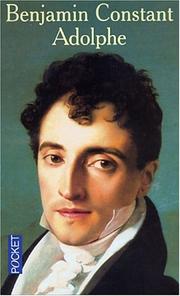
Adolphe
by Benjamin Constant
The Swiss companion in the tradition of the analytical Romantic self-portrait — Constant's 1816 novel about a young man's coldly self-aware destruction of his own love affair is the psychological text that Musset's more passionate Confession engages; where Octave is swept by feeling, Adolphe is paralyzed by analysis, and the two novels together define the range of the Romantic anti-hero.
- 3
 Buy on Amazon
Elle et Lui
by George Sand
George Sand's 1859 roman à clef about her affair with Musset — published after Musset's death, it is Sand's version of the relationship that destroyed Musset and produced the Confession; reading the Confession and Elle et Lui together gives both sides of the most famous literary love affair in French Romantic history.
- 4
 Buy on Amazon
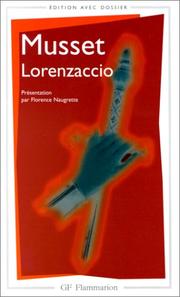
Lorenzaccio
by Alfred de Musset
Musset's dramatic masterpiece and the companion text in his own work — written in the same years as the Confession, Lorenzaccio's Lorenzo de' Medici embodies the same post-Napoleonic despair as Octave but in a political rather than erotic register; the corruption of idealism is the theme that defines Musset's entire artistic vision.
- 5
 Buy on Amazon
Manfred
by George Gordon Byron
The Byronic poem that defined the European Romantic hero Musset was describing — Byron's 1817 dramatic poem about a noble outcast tormented by a mysterious guilt is the archetype of the suffering Romantic ego that Musset saw as his generation's inheritance; the Confession is partly a French attempt to explain why Byron's hero appeared in French form after Waterloo.
- 6
 Buy on Amazon
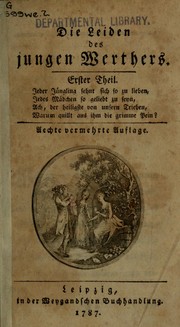
Werther
by Johann Wolfgang von Goethe
The German Romantic novel that preceded and provoked the French mal du siècle — Goethe's 1774 epistolary novel about the fatal romantic passion of a sensitive young man created the template for the suffering Romantic hero that Chateaubriand, Constant, and Musset all adapted; Musset knew Werther as the founding text of everything Octave represents.
- 7
 Buy on Amazon
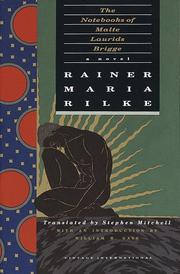
The Notebooks of Malte Laurids Brigge
by Rainer Maria Rilke
The early twentieth-century European companion in the tradition of the artistic young man's confession of supersensitivity and crisis — Rilke's 1910 novel in notebook form about a young Danish poet in Paris overwhelmed by the city's poverty and his own past is the modernist descendant of Musset's Confession; both books are attempts to understand why the sensitive self cannot survive the world.
- 8Buy on Amazon
The Sorrows of Young Werther
by Johann Wolfgang von Goethe
The eighteenth-century founding text of European Romantic despair that Musset explicitly invokes — the suicidal Werther epidemic that followed Goethe's novel is the origin point of the mal du siècle tradition; Musset's Confession is partly a historical analysis of how Werther's personal tragedy became a generational political condition after Napoleon's defeat.
More The Confession of a Child of the Century Resources
More Reading Recommendations
View all →Monthly Newsletter
Never miss a big release
Get the most anticipated upcoming books delivered to your inbox once a month — no spam, no filler.
Monthly only. Unsubscribe anytime.
Book links are Amazon affiliate links. As an Amazon Associate, BookReleaseRadar earns from qualifying purchases at no extra cost to you.