Recommendations
Books Like Chess Story
Best books to read after Chess Story by Stefan Zweig
Chess Story is one of the greatest novellas in any language — the psychological duel between a world chess champion and a man who learned chess under Gestapo isolation, told with Zweig's characteristic precision and intensity. If the novella's portrait of a mind pushed to its extreme moved you, these books share its concern with the psychology of obsession, its interest in the relationship between intelligence and suffering, and its use of a game or competition as a way of probing deeper questions about human consciousness.
- 1
 Buy on Amazon
The World of Yesterday
by Stefan Zweig
The essential companion — Zweig's memoir of European culture written simultaneously with Chess Story; the historical and biographical context that makes Chess Story's Gestapo backstory fully legible and that shows what Zweig was mourning in his final creative period
- 2
 Buy on Amazon
Letter from an Unknown Woman
by Stefan Zweig
Zweig's most celebrated novella — a dying woman's letter to the novelist who seduced and forgot her; the essential comparison to Chess Story in the range of Zweig's psychological interests; where Chess Story is about intellectual isolation and obsession, Letter from an Unknown Woman is about emotional invisibility and unrequited love
- 3
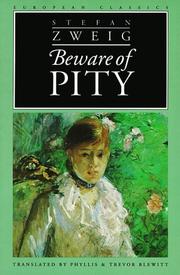 Buy on Amazon
Beware of Pity
by Stefan Zweig
Zweig's only full-length novel — Lieutenant Hofmiller's compassionate deception of a disabled heiress; a long, almost unbearable study in the psychology of pity that shows Zweig's ability to sustain a psychological investigation at novel length; essential for readers who want to know what Zweig could do beyond the novella
- 4
 Buy on Amazon
The Remains of the Day
by Kazuo Ishiguro
Ishiguro's novel about Stevens the butler's road trip through England as a gradual recognition of self-deception — the most important contemporary parallel to Chess Story in the tradition of the fiction of a man who has organized his entire life around a principle (dignity, chess mastery) that turns out to have damaged him
- 5
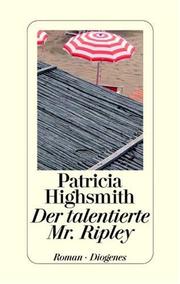 Buy on Amazon
The Talented Mr. Ripley
by Patricia Highsmith
Highsmith's psychological thriller — Tom Ripley's obsessive construction of another man's identity; the comparison between Zweig's chess player's obsessive reconstruction of games in his head and Ripley's obsessive construction of a false self shows the range of what fiction can do with obsessive intelligence in an extreme situation
- 6
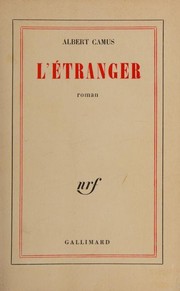 Buy on Amazon
The Stranger
by Albert Camus
The essential existentialist parallel — Meursault's detachment from the emotions that the social world expects of him; where Zweig's chess player's obsession is the result of extreme external pressure (Gestapo isolation), Camus's Meursault's detachment is his constitutive nature; both are organized around what happens when a person's relationship to experience becomes pathological
- 7
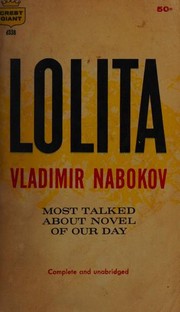 Buy on Amazon
Lolita
by Vladimir Nabokov
The comparison in the tradition of the unreliable first-person narrator whose intelligence is simultaneously their gift and their pathology — Humbert Humbert's brilliant self-justification; where Chess Story's Dr. B. has been driven to pathological chess obsession by external violence, Nabokov's Humbert drives himself to pathological obsession by the refusal to acknowledge the violence he does to others
- 8
 Buy on Amazon
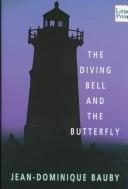
The Diving Bell and the Butterfly
by Jean-Dominique Bauby
Bauby's memoir of locked-in syndrome, written by blinking — the most remarkable real parallel to Chess Story's portrait of a mind forced to live entirely within itself; where Zweig's Dr. B. constructs chess games in his head to survive isolation, Bauby constructs an entire memoir by controlling his eye's blink
More Chess Story Resources
More Reading Recommendations
View all →Monthly Newsletter
Never miss a big release
Get the most anticipated upcoming books delivered to your inbox once a month — no spam, no filler.
Monthly only. Unsubscribe anytime.
Book links are Amazon affiliate links. As an Amazon Associate, BookReleaseRadar earns from qualifying purchases at no extra cost to you.