Recommendations
Books Like Ceremony
Best books to read after Ceremony by Leslie Marmon Silko
If Ceremony moved you — Tayo's long healing through the land and through Betonie's adapted ceremony, the way the novel weaves traditional Laguna stories through the prose, the insistence that healing must be collective as well as individual — these eight books share its portrait of Native veterans finding their way home, its engagement with indigenous spiritual traditions as living forces, or its formal ambition with myth and landscape.
- 1
 Buy on Amazon
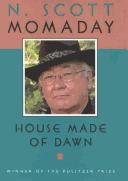
House Made of Dawn
by N. Scott Momaday
Abel returning to his Pueblo pueblo from the Second World War, unable to reintegrate, killing a man, and going to prison — Momaday's Pulitzer Prize-winning debut is the canonical companion to Ceremony: published nine years earlier, it launched the Native American literary renaissance that Ceremony joined and extended; both novels follow a Native veteran whose war experience has shattered his relationship to his community's ceremonial world, and both are organized around the question of whether the healing that ceremony offers is still available to people who have been through what Abel and Tayo have been through
- 2
 Buy on Amazon
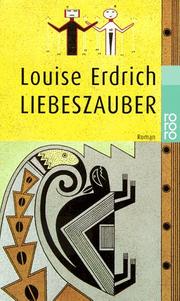
Love Medicine
by Louise Erdrich
Two Ojibwe families on a North Dakota reservation across fifty years — Erdrich's debut is the Northern Plains companion to Ceremony's Southwestern Laguna portrait: the same engagement with indigenous spiritual traditions as living forces within contemporary Native American life, the same linked-story structure that accumulates into a portrait of a community's history, and the same insistence that love and ceremony can survive the damage that colonialism and assimilation have done to Native communities
- 3
 Buy on Amazon
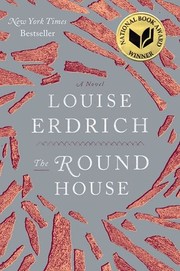
The Round House
by Louise Erdrich
Joe Coutts investigating his mother's rape on a North Dakota reservation in 1988 — Erdrich's National Book Award winner shares Ceremony's engagement with the relationship between traditional Native law and ceremony and the inadequacy of the federal legal system to provide justice for Native people; where Tayo's failure is individual and psychological, Joe's is structural and legal, but both novels are organized around what traditional Ojibwe and Laguna practice can do that federal law cannot
- 4
 Buy on Amazon
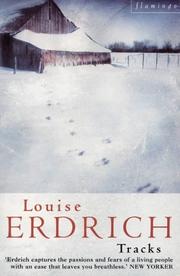
Tracks
by Louise Erdrich
The Kashpaw and Pillager families of North Dakota in 1912–1924, as the federal allotment policy destroys Ojibwe land ownership — Erdrich's third novel shares Ceremony's engagement with the relationship between land and spiritual health: both novels treat the land not as a setting but as a living entity in relationship with the people who belong to it, and both are organized around the damage that the disruption of that relationship does to individuals and communities
- 5
 Buy on Amazon
The Things They Carried
by Tim O'Brien
O'Brien's stories about Vietnam — the non-Native companion to Ceremony in its portrait of what war does to the men who fight it and the impossibility of returning to ordinary life afterward; where Silko proposes ceremony as the form of healing available to Native veterans, O'Brien proposes storytelling; both works are organized around the insight that the healing of war trauma requires something beyond what the ordinary secular world can provide
- 6
 Buy on Amazon
Beloved
by Toni Morrison
Sethe and the ghost of her murdered daughter — Morrison's masterpiece shares Ceremony's engagement with healing from historical violence through ritual and community: both novels treat the psychological damage of extreme historical violence as a wound that cannot be healed by individual psychological effort alone but requires collective ritual action; where Silko's ceremony is Laguna Pueblo traditional practice, Morrison's is the funeral-like gathering of the Black community that eventually drives Beloved away
- 7
 Buy on Amazon
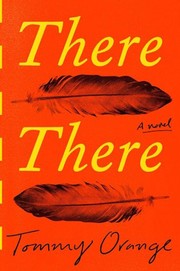
There There
by Tommy Orange
Twelve urban Native Americans converging on the Big Oakland Powwow — Orange's debut is the urban Native American companion to Ceremony's reservation-based healing: where Silko's Tayo returns to the land and the ceremonial world of the Laguna pueblo, Orange's characters are urban Natives who have no reservation to return to and must reconstruct Native identity and community from the fragments available in a California city; both novels engage with the question of what it means to be Native in the contemporary world
- 8
 Buy on Amazon
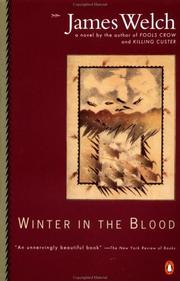
Winter in the Blood
by James Welch
An unnamed Blackfeet narrator in Montana drifting between his grandmother's reservation, the nearby town, and his own alienated inner world — Welch's debut novel, published two years before Ceremony in 1974, shares its portrait of a young Native man so alienated from his community's ceremonial world that he cannot function, and its engagement with the Montana landscape as a presence that can be returned to even when the ceremonial relationship with it has been broken
More Ceremony Resources
More Reading Recommendations
View all →Monthly Newsletter
Never miss a big release
Get the most anticipated upcoming books delivered to your inbox once a month — no spam, no filler.
Monthly only. Unsubscribe anytime.
Book links are Amazon affiliate links. As an Amazon Associate, BookReleaseRadar earns from qualifying purchases at no extra cost to you.