Recommendations
Books Like Cannery Row
Best books to read after Cannery Row by John Steinbeck
Cannery Row is Steinbeck at his most lyrical and celebratory — less a conventional novel than a portrait of a community outside the economic system, where friendship, beauty, and small pleasures constitute a complete life. If the novel's warmth and its affection for people on the margins moved you, these books share its conviction that the dispossessed can find dignity and joy in their own way, apart from the systems that exclude them.
- 1
 Buy on Amazon
Sweet Thursday
by John Steinbeck
The direct sequel to Cannery Row — Doc after the war, what happened to the Palace Flophouse crew, and the romance that develops; essential for readers who love Cannery Row and want to return to the world Steinbeck created there
- 2
 Buy on Amazon
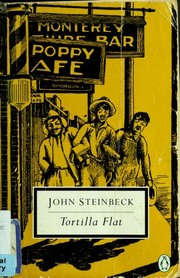
Tortilla Flat
by John Steinbeck
Steinbeck's earlier portrait of the paisanos of Monterey — the direct precursor to Cannery Row, sharing its affectionate view of a community of people who live outside the economic mainstream; typically recommended to read before Cannery Row as the beginning of Steinbeck's Monterey sequence
- 3
 Buy on Amazon
Of Mice and Men
by John Steinbeck
The essential companion to Cannery Row — the same sympathy for the dispossessed and the same celebration of friendship among people outside the mainstream, but in tragic mode rather than lyrical; the contrast between the two novels shows the full range of Steinbeck's sympathy for the same social world
- 4
 Buy on Amazon
A River Runs Through It
by Norman Maclean
Maclean's prose poem about fly-fishing in Montana and his relationship with his brother shares Cannery Row's conviction that activities pursued for their own sake (fishing, marine biology, collecting specimens at low tide) are a form of attention to the world that constitutes its own kind of meaning
- 5
 Buy on Amazon
Cold Mountain
by Charles Frazier
Frazier's novel about a wounded Confederate soldier walking home from the war and the woman waiting for him shares Cannery Row's lyrical attention to the natural world and the activities of people who work with their hands; both are organized around the question of what home means when it is something you have to create rather than inherit
- 6
 Buy on Amazon
Winesburg, Ohio
by Sherwood Anderson
Anderson's linked story collection about the grotesques of a small Ohio town — one of the earliest American examples of the lyrical story cycle that Cannery Row adapts; both are portraits of communities whose members are defined by what they cannot express about themselves, rendered with a sympathy that refuses condescension
- 7
 Buy on Amazon
My Antonia
by Willa Cather
Cather's novel about a Bohemian immigrant woman growing up on the Nebraska prairie — the most lyrical and affectionate portrait in American fiction of a community of people who work the land with their bodies; sharing Cannery Row's conviction that closeness to the physical world is a form of dignity and intelligence
- 8
 Buy on Amazon
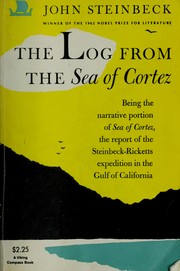
The Log from the Sea of Cortez
by John Steinbeck
Steinbeck's non-fiction account of his marine expedition with Ed Ricketts — the real-life Doc — along the California coast; essential for understanding the philosophy behind Cannery Row and for seeing Ricketts's 'non-teleological thinking' in its actual context rather than through the fiction's transformation of it
More Cannery Row Resources
More Reading Recommendations
View all →Monthly Newsletter
Never miss a big release
Get the most anticipated upcoming books delivered to your inbox once a month — no spam, no filler.
Monthly only. Unsubscribe anytime.
Book links are Amazon affiliate links. As an Amazon Associate, BookReleaseRadar earns from qualifying purchases at no extra cost to you.