Recommendations
Books Like La Chute by Albert Camus
The Fall — a Parisian lawyer's monologue of self-judgment in Amsterdam
Camus's 1956 late novella — Jean-Baptiste Clamence confesses to a stranger in an Amsterdam sailors' bar his failure to save a drowning woman and his discovery that all his virtue was vanity; Camus's darkest and most formally brilliant work.
- 1
 Buy on Amazon
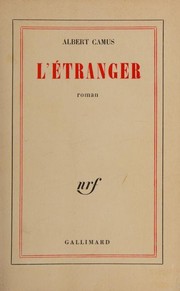
L'Étranger
by Albert Camus
The founding absurdist novel (1942) — read before La Chute; Clamence's fall is partly Camus's examination of his own earlier positions; the indifference of Meursault and the self-judgment of Clamence are two extremes of the same existentialist problematic.
- 2
 Buy on Amazon
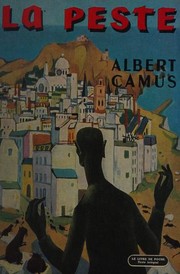
La Peste
by Albert Camus
The companion solidarity novel (1947) — La Chute questions whether the solidarity of La Peste might be another form of vanity; reading both together gives the development of Camus's moral thought from the affirmation of collective care to the self-critical examination of whether all virtue might be performance.
- 3Buy on Amazon
Notes from Underground
by Fyodor Dostoevsky
The most important predecessor — the underground man's monologue of self-exposure and self-judgment, his discovery that all consciousness is a form of performance and manipulation; Clamence is a twentieth-century version of the underground man, updated for the French existentialist context.
- 4
 Buy on Amazon
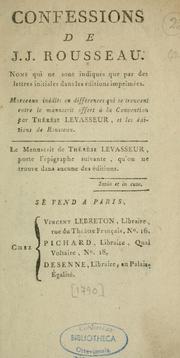
The Confessions
by Jean-Jacques Rousseau
The founding text of confessional autobiography (1782) — Rousseau's self-justification through self-accusation is precisely what Clamence's judge-penitent technique is satirizing; reading Rousseau's Confessions alongside La Chute gives the model and the critique simultaneously.
- 5
 Buy on Amazon
Les Mots
by Jean-Paul Sartre
Sartre's 1964 autobiography is the parallel self-criticism — both Sartre and Camus, at the end of their careers, wrote works that examined the vanity of the literary vocation they had built their lives on; the comparison gives the range of how the generation of French existentialists responded to their own success.
- 6
 Buy on Amazon
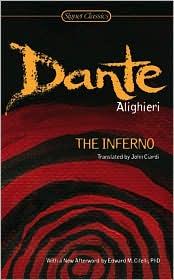
Inferno
by Dante Alighieri
The Amsterdam canals that Clamence identifies as Dante's circles of hell are the central image of La Chute — reading the Inferno alongside La Chute gives the theological tradition that Camus is secularizing; Clamence's Amsterdam is a secular Inferno, his confession a secular confession without absolution.
- 7
 Buy on Amazon
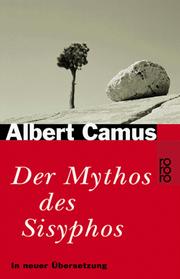
Le Mythe de Sisyphe
by Albert Camus
The philosophical essay (1942) on the absurd and revolt — La Chute is partly a self-examination of the revolt thesis; Clamence's discovery that his revolt against conformity was itself a form of vanity questions whether the heroic embrace of the absurd is possible or is just another performance.
- 8
 Buy on Amazon
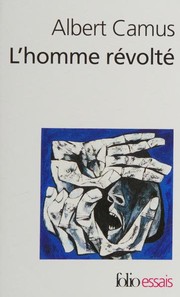
L'Homme révolté
by Albert Camus
The political philosophy (1951) that caused the break with Sartre — La Chute is partly Camus's response to the aftermath of that break; Clamence, the judge-penitent who condemns himself to condemn others, is partly a satirical portrait of the Parisian intellectual who judges everyone while working within a self-serving system.
More La Chute by Albert Camus Resources
More Reading Recommendations
View all →Monthly Newsletter
Never miss a big release
Get the most anticipated upcoming books delivered to your inbox once a month — no spam, no filler.
Monthly only. Unsubscribe anytime.
Book links are Amazon affiliate links. As an Amazon Associate, BookReleaseRadar earns from qualifying purchases at no extra cost to you.